
How to find manufacturers in Indonesia?
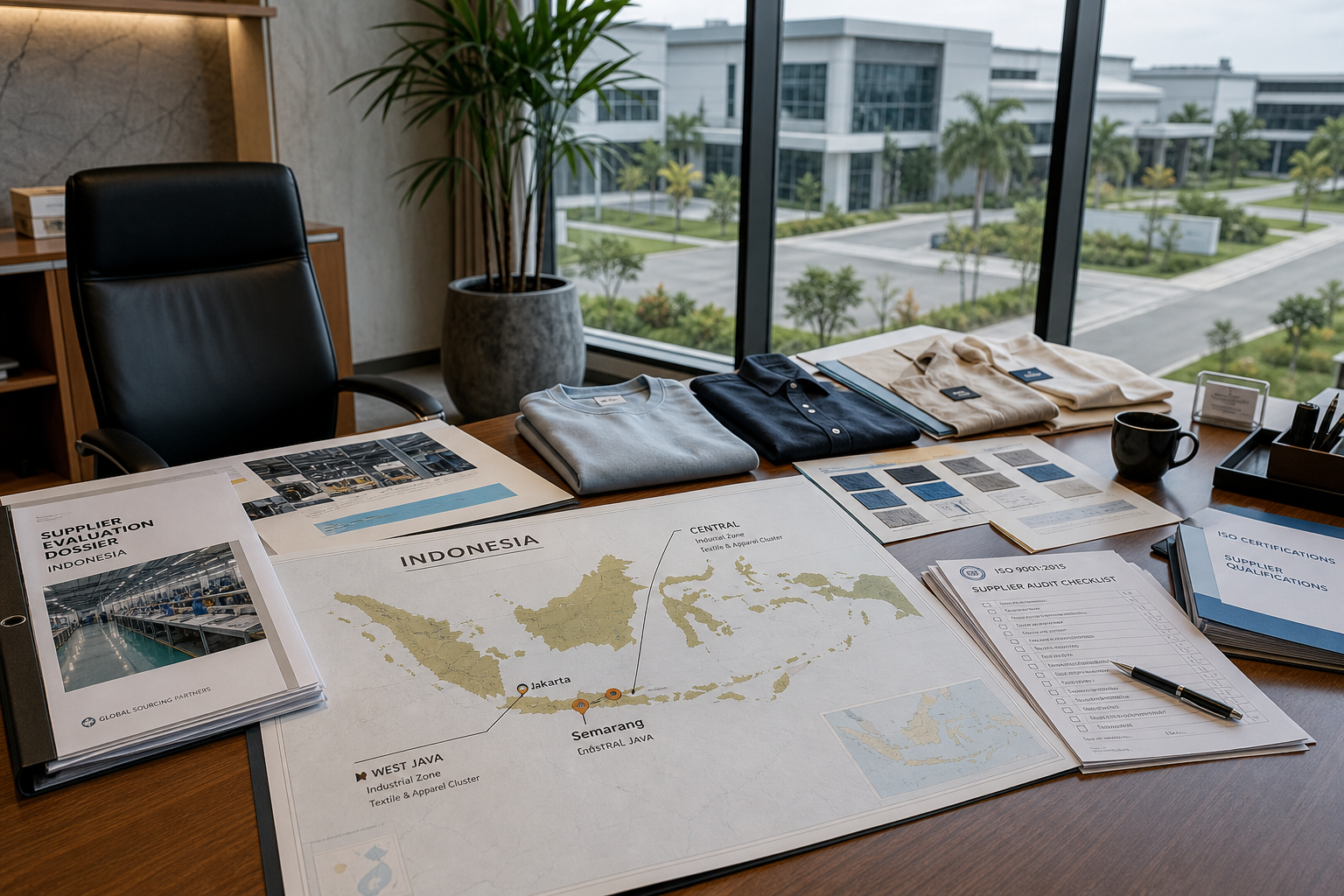
The search for reliable manufacturing partners can often feel like navigating a complex maze, especially when looking to expand your supply chain internationally. Many businesses, seeking competitive advantages or diversified sourcing, ask: How do I effectively find manufacturers in Indonesia that align with my specific production needs and quality standards? This challenge, if not approached strategically, can lead to costly delays and unmet expectations.
Finding manufacturers in Indonesia requires a structured approach focusing on clear product specifications, thorough due diligence, and risk assessment tailored to your business needs. It involves identifying potential suppliers through various channels, critically evaluating their capabilities, quality control processes, and compliance with international standards, and verifying their operational integrity before committing to a partnership.
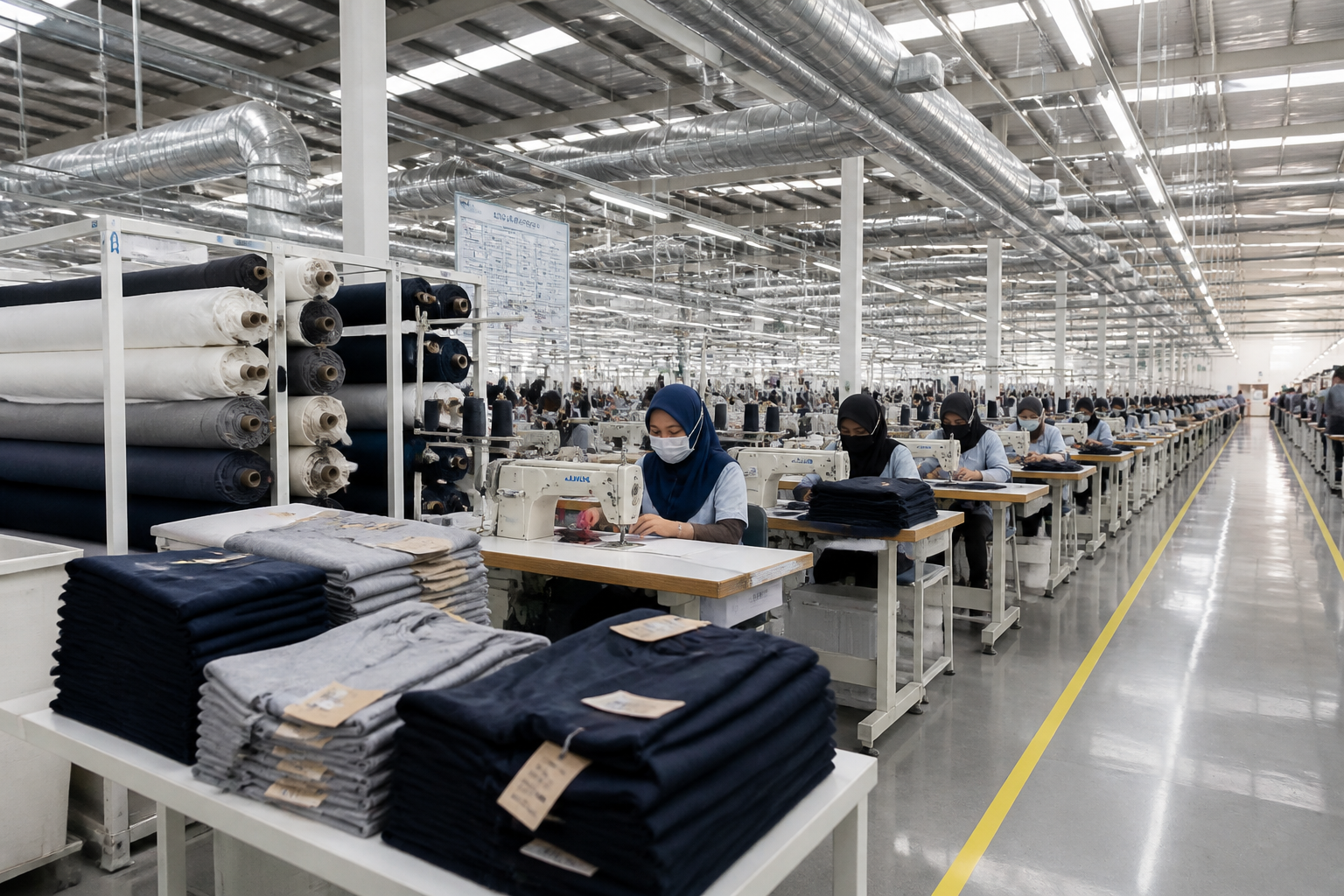
Now that we've established the core principle, let's delve into the practical steps and crucial considerations for identifying and vetting manufacturing partners in Indonesia, ensuring you build a robust and reliable supply chain.
Why consider manufacturers in Indonesia for your products?
Many international brands and distributors face increasing pressure to diversify their supply chains, seeking new regions that offer a blend of cost-effectiveness, production capacity, and skilled labor. But what exactly makes Indonesia an attractive option for finding new manufacturing partners?
Indonesia offers a compelling combination of competitive labor costs, a growing industrial base, and preferential trade agreements that can benefit international buyers. Its established textile and apparel industry, coupled with a large workforce, provides a viable alternative or supplement to traditional manufacturing hubs, making it an increasingly popular choice for various product types.
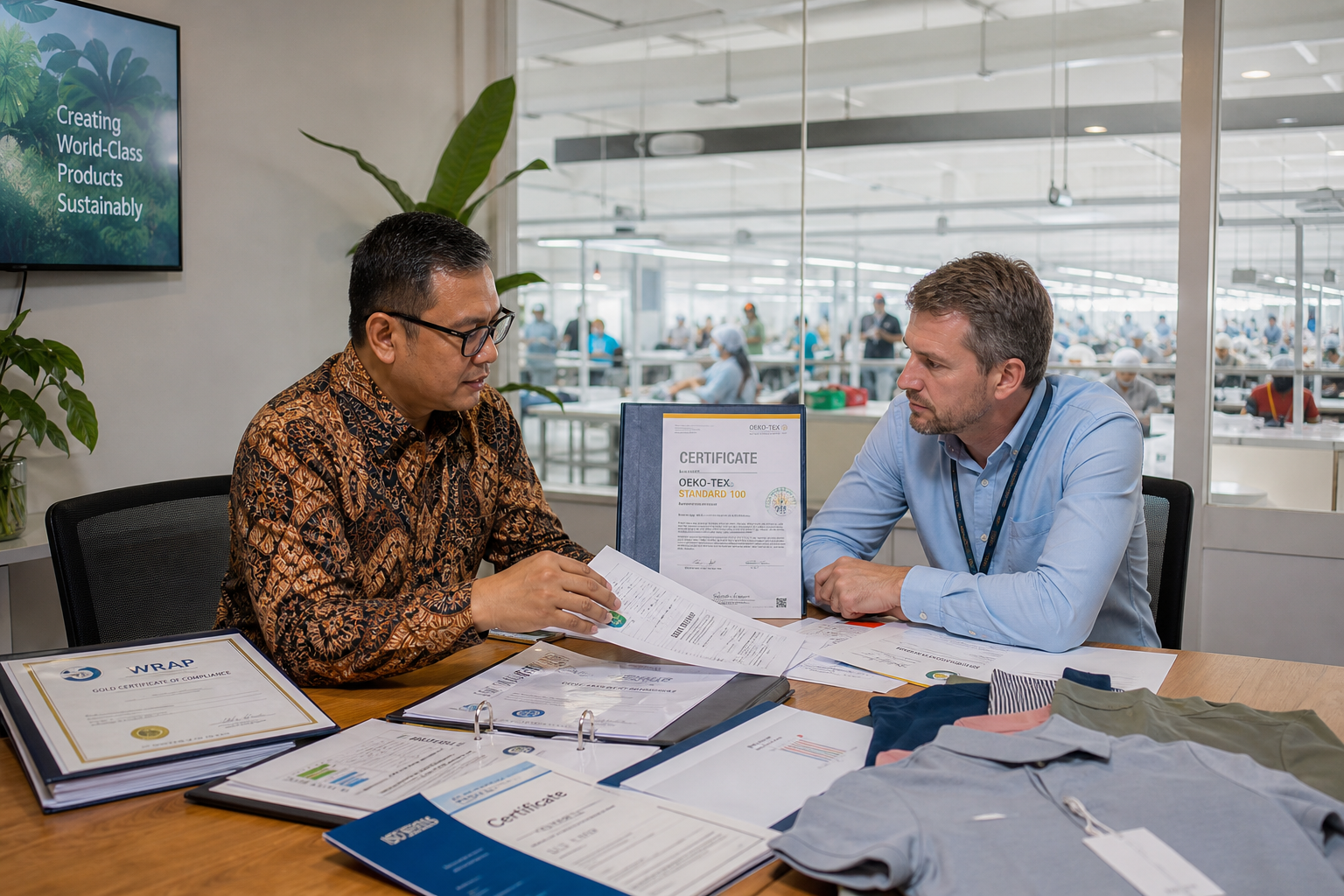
Dive Deeper: The Strategic Advantages of Indonesian Manufacturing
From our vantage point as an experienced OEM/ODM sportswear manufacturer, we've observed a distinct trend: more clients are exploring beyond conventional sourcing destinations. Indonesia has emerged as a significant player, particularly in the textile and apparel sector, which aligns closely with our expertise in sportswear. This is not just about lower costs; it's about strategic advantages that can bolster a brand's supply chain resilience and market competitiveness.
- Growing Manufacturing Hub: Indonesia boasts a large and relatively young workforce[^1], which translates into a considerable labor pool for manufacturing. The government has also actively supported industrial development through various incentives[^2], attracting foreign investment and improving infrastructure. This creates an environment where businesses can find manufacturers with ample capacity and potential for growth, accommodating both mid-sized and large-volume orders.
- Cost Efficiency: While not always the absolute lowest cost producer globally, Indonesian manufacturing often presents a favorable balance between cost and quality[^3], especially when compared to some more established economies. Labor costs are generally competitive, and a stable supply of raw materials, particularly for textiles, can lead to more attractive pricing. This is a critical factor for wholesalers and brands looking to maintain competitive pricing in their target markets without compromising on product integrity.
- Diverse Industry Base: Beyond general manufacturing, Indonesia has a strong foothold in specific industries like textiles, footwear, and consumer goods[^4]. For those looking for sportswear, for instance, this means a higher likelihood of finding specialized manufacturers with relevant expertise, advanced machinery, and established supply chains already in place. This specialization can lead to higher quality outputs and more efficient production cycles.
- Preferential Trade Agreements and Market Access: Indonesia benefits from various trade agreements, including those within ASEAN and with other major economies (e.g., Australia, Korea).[^5] These agreements can lead to reduced tariffs and smoother import/export processes[^6], potentially lowering the overall landed cost of goods for international buyers. Understanding these benefits is crucial for optimizing your procurement strategy and potentially gaining a competitive edge in certain markets.
- Geographic and Cultural Considerations: For businesses already sourcing from Southeast Asia, Indonesia offers geographic proximity, which can simplify logistics and supply chain management. Culturally, its dynamic business environment can foster strong, long-term partnerships when approached with respect and clear communication. Many Indonesian manufacturers are adept at working with international clients, understanding global expectations regarding quality and delivery.
However, as we advise our clients, while these advantages are significant, they must be weighed against a thorough understanding of the local manufacturing landscape and potential challenges. For instance, ensuring consistent quality control and navigating local regulations require diligent effort, which we emphasize in all our client consultations. A well-informed approach ensures these benefits translate into tangible success.
What specific criteria should you use to evaluate potential manufacturers in Indonesia?
Once you've identified Indonesia as a potential sourcing destination, the next critical step is to differentiate between numerous potential partners. Many businesses struggle with narrowing down their options, often relying solely on initial price quotes. But what truly defines a high-quality, reliable manufacturing partner among the many manufacturers in Indonesia?
To effectively evaluate manufacturers in Indonesia, consider their production capabilities, quality control systems, compliance with international certifications, communication effectiveness, and financial stability. These factors, beyond initial pricing, are crucial for ensuring long-term product quality, ethical sourcing, and on-time delivery from your chosen supplier.
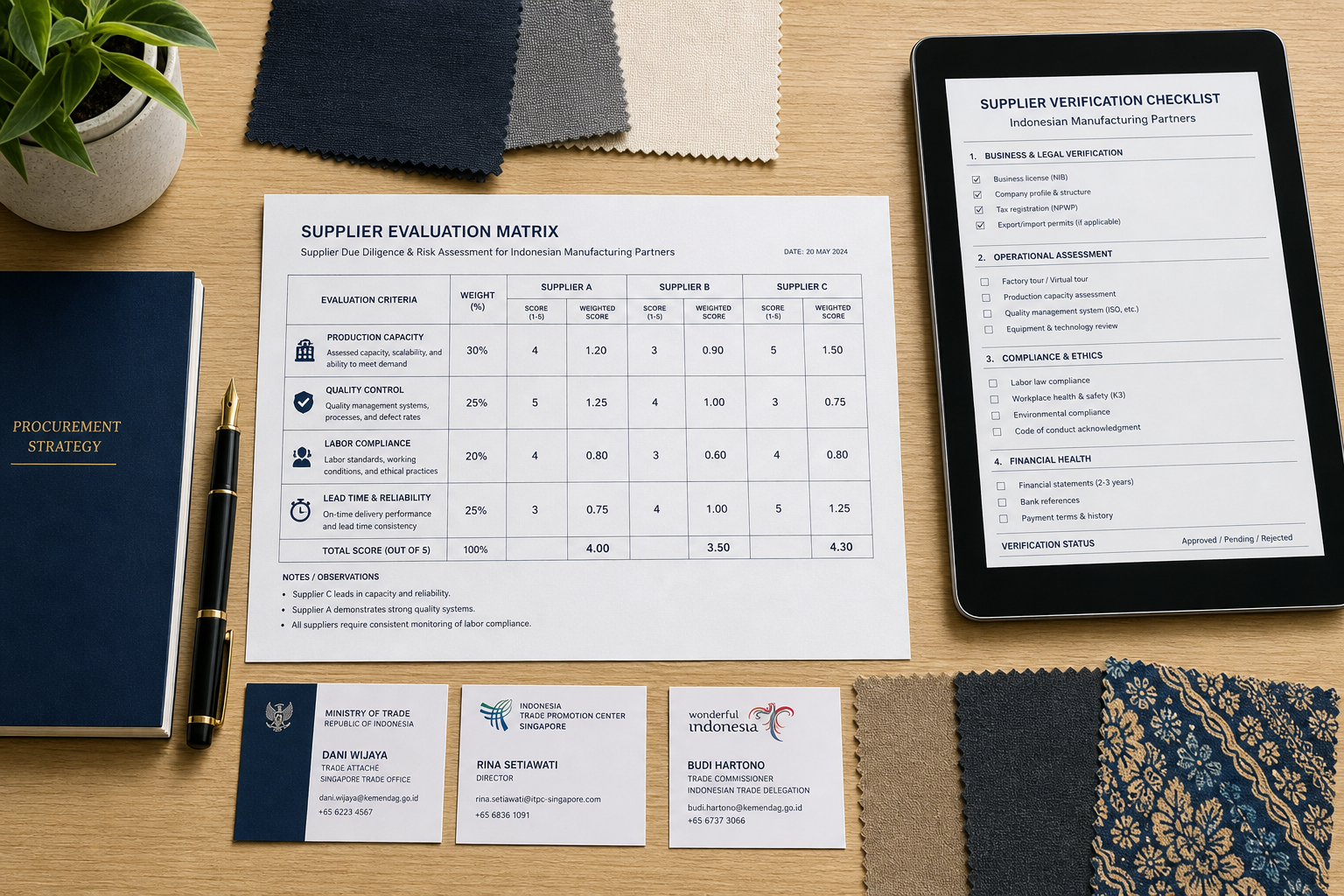
Dive Deeper: A Comprehensive Framework for Manufacturer Evaluation
From our extensive experience in B2B manufacturing, we've learned that a successful partnership hinges on far more than just a low price. We guide our clients through a comprehensive evaluation framework that goes beyond surface-level checks. This structured approach helps mitigate risks and ensures you select a manufacturer capable of meeting your specific requirements for products like sportswear.
- Production Capabilities and Specialization:
- Equipment and Technology: Does the manufacturer possess modern, well-maintained machinery relevant to your specific product? For sportswear, this might include advanced automatic cutting machines (like the CNC Auto Cutters we utilize for precision) and specialized sewing equipment for stretchy, technical fabrics. Outdated or poorly maintained equipment can be a red flag for quality and efficiency.
- Capacity and Scalability: Can they handle your desired order volume without compromising quality or delivery times? What is their monthly output for similar products? It's crucial to understand their current utilization and whether they have room to scale up or down as your business needs evolve. We often see clients underestimate the importance of matching their order size to a factory's true, sustainable capacity.
- Product Specialization: Do they specialize in your exact product category (e.g., yoga wear, performance activewear, outdoor jackets)? A manufacturer focused on general apparel might not have the nuanced expertise, specific fabric knowledge, or specialized stitching techniques required for high-performance sportswear. Specialization often correlates with higher quality and efficiency.
- Quality Control (QC) Systems and Processes:
- In-house QC Procedures: What formal steps do they take to ensure quality throughout the entire production process? Ask for their Standard Operating Procedures (SOPs) for raw material inspection, in-line checks at various stages (cutting, sewing, finishing), and final inspection before packaging.
- Traceability: Can they trace materials and production batches back to their origin? This is vital for managing potential defects, performing recalls if necessary, and ensuring accountability throughout the supply chain.
- Testing Facilities: Do they have in-house testing capabilities, or do they consistently work with accredited third-party laboratories? For sportswear, this includes critical tests for fabric properties (stretch recovery, moisture-wicking, breathability, colorfastness) and garment durability (washability, abrasion resistance, seam strength). Our products, for instance, undergo rigorous testing, including stretch, wash, and abrasion tests, to meet high standards.
- Certifications and Compliance:
- International Standards: Look for valid certifications like ISO 9001 (quality management systems)[^7], OEKO-TEX® (textile safety, ensuring no harmful substances)[^8], or even specific certifications like TüV Rheinland, SGS, CE, or REACH for environmental and safety compliance relevant to your target markets. As an OEM/ODM provider, we understand the critical importance of meeting these diverse global requirements.
- Ethical Sourcing and Social Compliance: Inquire about their labor practices and social compliance certifications (e.g., SA8000, BSCI, WRAP). Many major markets and consumers increasingly demand ethically produced goods.[^9]
- Environmental Responsibility: Do they have green product certifications or demonstrate sustainable manufacturing practices (e.g., water recycling, energy efficiency, waste management)?
- Communication and Transparency:
- Responsiveness and Clarity: How quickly and clearly do they respond to your inquiries, concerns, and feedback? Timely and unambiguous communication is absolutely crucial for international partnerships, mitigating misunderstandings that can lead to costly errors.
- Language Proficiency: Is there a clear communication channel in a language you understand well (often English)? Insist on a dedicated contact person who is fluent and knowledgeable.
- Proactive Problem Solving: Do they proactively communicate potential issues (e.g., material delays, production challenges) and propose solutions, or do they wait for problems to escalate and become emergencies? We highly value partners who are transparent and collaborative in problem-solving.
- Financial Stability and Business Longevity:
- Track Record: How long have they been in business? A longer track record can indicate stability, experience, and resilience in the face of economic fluctuations.
- References: Can they provide references from other international clients, especially those with similar product requirements or market destinations? Contacting these references offers invaluable third-party validation of their reliability and service.
- Audit Reports: Requesting a factory audit report (from a reputable third party) can provide a comprehensive overview of their operational and even financial health, offering insights into their management practices and risk profile.
When we engage with potential clients, we always stress that overlooking any of these criteria can lead to significant headaches down the line. It's about building a partnership based on trust and verified capability, not just a transaction or the lowest bid.
How can you effectively conduct due diligence on manufacturers in Indonesia?
Identifying a list of potential manufacturers is just the first step; the real work begins with due diligence. Many clients approach us after experiencing issues with previous suppliers, highlighting a common pitfall: inadequate verification. So, beyond initial conversations, what practical steps should you take to thoroughly vet manufacturers in Indonesia?
Effective due diligence for manufacturers in Indonesia involves a multi-pronged approach: conduct virtual and on-site factory audits, request and verify certifications and past client references, thoroughly review samples and production capabilities, and establish clear communication protocols. This comprehensive process minimizes risks and ensures a reliable sourcing partnership.
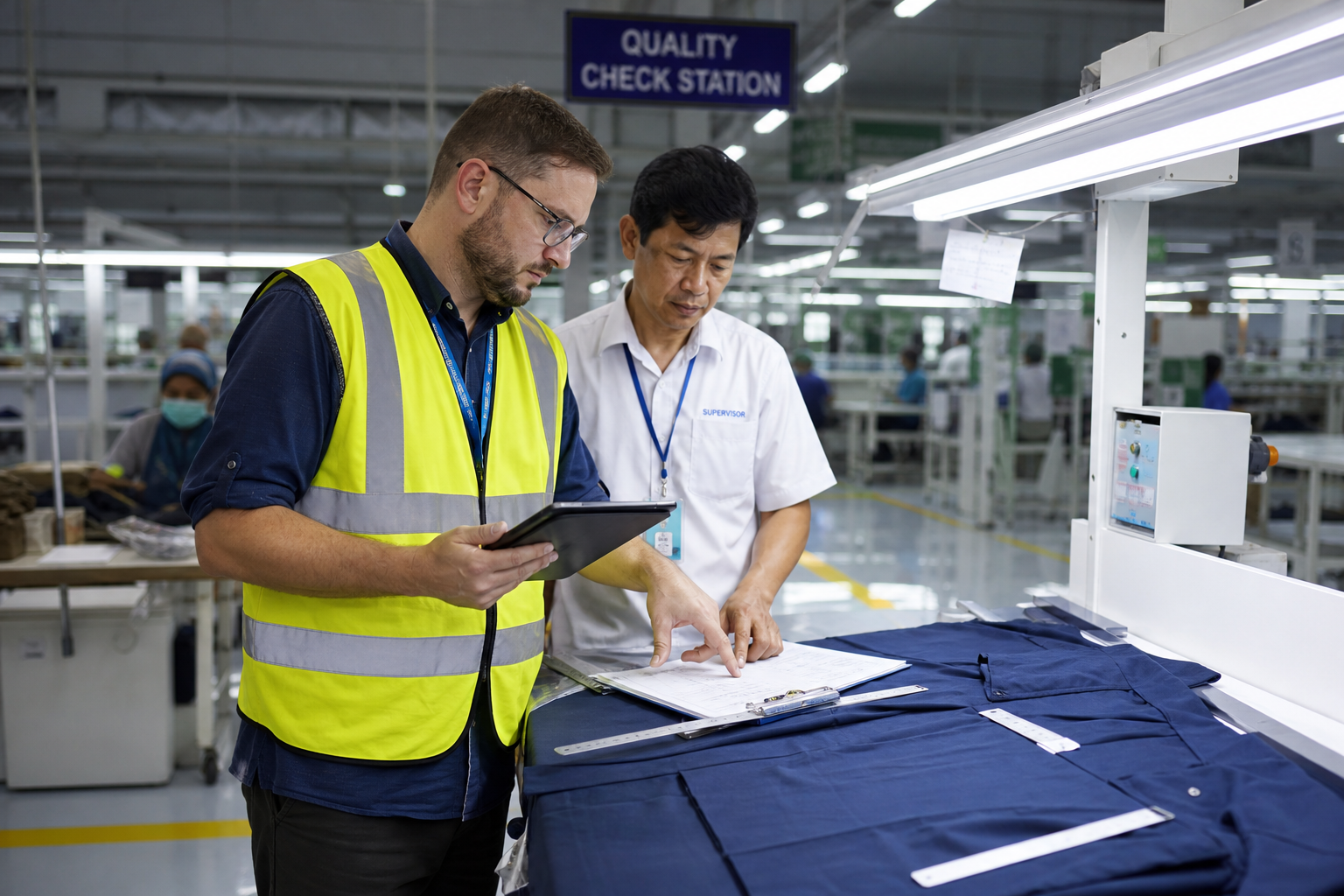
Dive Deeper: Practical Steps for Verifying Your Sourcing Partner
From our perspective, robust due diligence is the bedrock of successful international sourcing. We've often seen clients struggle because they skipped critical verification steps, only to discover issues like inconsistent quality, missed deadlines, or ethical breaches much later in the process. This is what we typically advise our partners to consider for comprehensive vetting:
- Virtual and On-site Factory Audits:
- Initial Virtual Assessment: Start with virtual tours, detailed video calls, and comprehensive questionnaires covering their facilities, equipment, production processes, and quality control. Ask for recent photographic or video evidence of specific production stages, including raw material storage, cutting rooms, sewing lines, and packaging areas. This can help you filter out unsuitable candidates early.
- On-site Audits (Pre-production): Ideally, conduct an on-site audit through a trusted third party or, if feasible, your own procurement team. This is invaluable. An experienced auditor can verify equipment functionality, assess factory conditions (cleanliness, safety), review QC procedures firsthand, and check worker conditions and labor practices. Reputable inspection companies like SGS or TüV Rheinland offer these services, and as a certified supplier, we know how crucial these external validations are for building trust and ensuring compliance.
- Follow-up Audits (During Production): For larger orders, new products, or critical items, consider scheduling in-process or pre-shipment inspections. This ensures that the quality maintained in approved samples consistently translates to mass production and that the goods meet your standards before they leave the factory.
- Verify Certifications and References:
- Authenticity Check: Do not just accept certificates at face value. Verify their validity and currency with the issuing body[^10] (e.g., check OEKO-TEX labels on their official database, confirm ISO certifications directly). From our experience, false or expired claims are a risk.
- Client References: Always ask for contact information for other international clients, preferably those in your industry or with similar product requirements. When contacting them, inquire specifically about the manufacturer's reliability, consistency in quality, communication effectiveness, responsiveness to issues, and overall professionalism.
- Legal Standing: Verify the company's registration and legal status in Indonesia through official channels. This protects you from dealing with unregistered or fraudulent entities that could pose significant legal and financial risks.
- Rigorous Sample Review and Production Prototyping:
- Detailed Samples: Request samples that precisely match your specifications, not just "off-the-shelf" items. For sportswear, this means meticulously checking fabric composition, elasticity, stitching quality, seam finishes, sizing accuracy (against your size chart), and specific performance attributes like moisture-wicking or compression. We meticulously develop samples to ensure they meet client expectations before mass production.
- Prototype Review: If your product involves complex designs or new functionalities, review functional prototypes to assess design integrity, material suitability, construction methods, and usability. Provide clear, actionable feedback to refine the product before mass production.
- Small Batch or Trial Orders: For new partnerships or complex, high-value products, consider placing a smaller, trial order first. This acts as a real-world test of their production capabilities, quality consistency, adherence to timelines, and your overall working relationship before committing to larger volumes. It's an investment in risk reduction.
- Establish Clear Communication Protocols:
- Dedicated Bilingual Contact Person: Insist on having a consistent, dedicated point of contact at the factory who is fluent in English (or your preferred language) and genuinely understands your technical requirements and business culture.
- Regular Scheduled Calls and Reporting: Agree on how often you'll receive production updates and how potential issues will be reported, discussed, and resolved. Use project management tools or shared documents for clarity.
- Written Confirmation for All Decisions: Always follow up verbal discussions, especially critical decisions or approvals, with written summaries or emails. This creates a clear paper trail and prevents misunderstandings.
By meticulously going through these steps, you transform the abstract challenge of "finding manufacturers in Indonesia" into a manageable, data-driven selection process. This proactive approach not only minimizes risks but also lays the groundwork for a successful and enduring manufacturing partnership.
Dive Deeper: Proactive Strategies for Risk Management in International Sourcing
As a B2B OEM/ODM supplier working with international clients for over a decade, we've encountered and helped our partners navigate a wide array of challenges in global sourcing. It's not enough to just find a manufacturer; you must actively manage the potential risks throughout the entire procurement lifecycle. Here's a breakdown of typical issues and our recommended mitigation strategies, particularly relevant when dealing with manufacturers in Indonesia:
- Risk 1: Inconsistent Quality Control
- Problem: The initial samples might be perfect, but mass production shows deviations, defects, or a general decline in quality. This is a common pain point we see clients report from previous experiences with other suppliers, leading to increased returns and brand damage.
- Mitigation:
- Implement Multi-stage QC: Do not rely solely on final inspection. Demand raw material incoming quality control (IQC), in-line production checks (IPQC) at various stages of manufacturing, and a thorough pre-shipment inspection (PSI).
- Clear Quality Standards: Provide extremely detailed quality specifications, including Acceptable Quality Levels (AQL) standards, visual examples of acceptable/unacceptable defects, and physical reference samples.
- Third-Party Inspections: Engage reputable independent inspection agencies (like SGS, Bureau Veritas, or Intertek) at critical stages, especially before final payment and shipment. This provides an objective, unbiased assessment of product quality.
- Risk 2: Communication Barriers and Delays
- Problem: Language differences, significant time zone disparities, or cultural communication styles can lead to misunderstandings, slow responses, and ultimately, costly production errors or delays.
- Mitigation:
- Designated Bilingual Contact: Insist on a dedicated point of contact at the factory who is not only proficient in English (or your preferred language) but also understands your technical requirements and business culture.
- Regular Scheduled Calls & Updates: Establish routine communication channels, such as weekly or bi-weekly calls, to address updates, potential issues, and upcoming milestones proactively.
- Written Confirmation for All Decisions: Always follow up verbal discussions and critical approvals with written summaries or emails. This creates a clear paper trail, minimizes misinterpretations, and serves as a reference point.
- Risk 3: Logistical Complexities and Shipping Delays
- Problem: Navigating international shipping regulations, customs procedures, local transport networks, and port congestion can be daunting, leading to unexpected costs, lengthy delays, or even loss of goods.
- Mitigation:
- Experienced Freight Forwarder: Partner with a reputable and experienced freight forwarder that has extensive experience with shipments from Indonesia. They can advise on optimal routes, customs requirements, documentation, and potential bottlenecks.
- Incoterms Clarity: Clearly define Incoterms (e.g., FOB, EXW, CIF, DDP) in your purchasing contracts[^11] to explicitly specify responsibilities for shipping costs, insurance, risk transfer, and documentation.
- Buffer Time: Always build extra buffer time into your production and shipping schedules to account for unforeseen delays, such as customs inspections, bad weather, or port strikes.
- Risk 4: Intellectual Property (IP) Protection Concerns
- Problem: Fear of design theft, unauthorized reproduction, or reverse engineering, especially for unique products or brand-specific designs, leading to market dilution and loss of competitive edge.
- Mitigation:
- Non-Disclosure Agreements (NDAs): Sign comprehensive and legally enforceable Non-Disclosure Agreements (NDAs) with the manufacturer before sharing any proprietary information, designs, or technical specifications. Ensure it's drafted to be enforceable under Indonesian law.
- Detailed Manufacturing Contracts: Include explicit clauses in your manufacturing contract that address IP ownership, prohibit unauthorized production or sales to third parties, and outline penalties for breaches.[^12]
- Limited Information Disclosure: Only provide information necessary for the current stage of development. Consider retaining control over certain critical components, unique molds, or highly specialized design elements to make replication more difficult.
- Risk 5: Payment and Contractual Disputes
- Problem: Disagreements over payment terms, product specifications, quality issues, or delivery timelines that can lead to stalemates, financial losses, or protracted legal battles.
- Mitigation:
- Clear Payment Schedule Tied to Milestones: Structure payments to specific, verifiable milestones (e.g., initial deposit upon order confirmation, payment upon material procurement, payment upon pre-shipment inspection approval, final balance upon delivery).
- Comprehensive Contract: Draft a detailed manufacturing contract covering all aspects: precise product specifications, quality standards (with AQL), delivery timelines with penalties for delays, payment terms, dispute resolution mechanisms (e.g., arbitration in a neutral jurisdiction), and termination clauses. Consider having it reviewed by legal counsel specializing in international trade.
- Escrow Services: For new relationships or high-value orders, consider using a third-party escrow service to hold payments until specified conditions (like successful inspection or delivery) are met, providing an additional layer of financial security.
By systematically addressing these potential risks, businesses can approach sourcing from manufacturers in Indonesia with greater confidence, transforming potential pitfalls into manageable challenges. This proactive stance is what truly sets successful international procurement apart, ensuring a stable and reliable supply chain.
[^1]: "Labor force, total", https://data.worldbank.org/indicator/SL.TLF.TOTL.IN. World Bank or ILO labor and demographic data document the size of Indonesia's labor force and age structure, supporting the contextual claim that Indonesia has a substantial workforce for manufacturing; the data do not verify labor availability at any specific factory. Evidence role: statistic; source type: government. Supports: Indonesia has a large labor force and demographic characteristics that make a substantial manufacturing labor pool plausible.. Scope note: Contextual national-level labor statistics do not establish the capacity or skill level of individual manufacturers. [^2]: "2024 Investment Climate Statements: Indonesia", https://2021-2025.state.gov/reports/2024-investment-climate-statements/indonesia/. Official Indonesian investment or industry-policy materials describe incentives and policy measures intended to attract manufacturing and industrial investment, supporting the claim that government policy has promoted industrial development; such materials do not prove that every buyer benefits from those incentives. Evidence role: historical_context; source type: government. Supports: Indonesia has used government policies or incentives to promote industrial development and manufacturing investment.. Scope note: Government policy descriptions may identify available incentives but not their uptake or effectiveness for a particular manufacturer. [^3]: "Productivity Performance in Indonesia's Manufacturing Sector", https://openknowledge.worldbank.org/entities/publication/d3ec353d-9398-5839-a3d6-5543593d8afe. Comparative manufacturing wage, productivity, or competitiveness data can support the contextual assertion that Indonesia may offer an attractive cost-quality tradeoff for certain manufactured goods; the evidence would not by itself measure finished-product quality for any specific supplier. Evidence role: general_support; source type: research. Supports: Indonesia has cost and productivity characteristics that may make it competitive for manufacturing relative to some other sourcing locations.. Scope note: Cost and competitiveness indicators are indirect proxies and do not prove product quality at the firm level. [^4]: "Consumption | Sector : clothing and footwear", https://datatopics.worldbank.org/consumption/sector/clothing-and-footwear. International trade or industry statistics, such as UN Comtrade or World Bank data, document Indonesia's exports and industrial activity in textiles and footwear, supporting the claim that these are established sectors; the statistics do not identify which individual factories are suitable partners. Evidence role: statistic; source type: institution. Supports: Indonesia has measurable industrial or export activity in textiles, footwear, and related consumer goods sectors.. Scope note: Sector-level export or output data cannot confirm the capabilities of a particular manufacturer. [^5]: "Indonesia–Korea Comprehensive Economic Partnership ...", https://en.wikipedia.org/wiki/Indonesia%E2%80%93Korea_Comprehensive_Economic_Partnership_Agreement. Official ASEAN and government trade-agreement records show that Indonesia participates in ASEAN frameworks and agreements involving Australia and Korea, supporting the statement about potential preferential market access; the records do not determine tariff treatment for every product classification. Evidence role: historical_context; source type: institution. Supports: Indonesia participates in ASEAN trade arrangements and trade agreements involving Australia and Korea.. Scope note: Actual duty savings depend on product HS codes, rules of origin, and destination-market implementation. [^6]: "Free Trade Agreement Overview", https://www.trade.gov/free-trade-agreement-overview. WTO or ASEAN explanatory materials describe how preferential trade agreements can reduce tariffs and establish rules that facilitate trade for qualifying goods, supporting the mechanism described here; they do not guarantee reduced costs for every shipment. Evidence role: mechanism; source type: institution. Supports: Preferential trade agreements commonly provide tariff preferences and related trade facilitation rules for qualifying goods.. Scope note: Benefits depend on eligibility, documentation, rules of origin, and the importing jurisdiction's tariff schedule. [^7]: "ISO 9001:2015 - Quality management systems", https://www.iso.org/standard/62085.html. The International Organization for Standardization describes ISO 9001 as a standard for quality management systems, supporting its use as evidence of a manufacturer's formal quality-management framework; certification does not independently prove that a specific order will meet specifications. Evidence role: definition; source type: institution. Supports: ISO 9001 concerns quality management systems and is relevant to supplier evaluation.. Scope note: ISO 9001 addresses management systems rather than direct inspection results for individual production runs. [^8]: "Oeko-Tex", https://en.wikipedia.org/wiki/Oeko-Tex. OEKO-TEX documentation describes STANDARD 100 as a textile certification based on testing for specified harmful substances, supporting the article's explanation of its relevance to textile safety; the certification scope must still be checked for the specific materials and certificate number. Evidence role: definition; source type: institution. Supports: OEKO-TEX Standard 100 or related certification addresses testing of textiles for harmful substances.. Scope note: Coverage depends on the exact OEKO-TEX product label, certificate validity, and certified article scope. [^9]: "OECD Due Diligence Guidance for Responsible Supply ...", https://www.oecd.org/en/publications/2018/03/oecd-due-diligence-guidance-for-responsible-supply-chains-in-the-garment-and-footwear-sector_g1g89b0b.html. OECD or ILO guidance on responsible supply chains documents growing expectations for due diligence and labor compliance in global production networks, supporting the contextual claim that ethical production is a significant market concern; such guidance does not quantify consumer demand for every product category. Evidence role: expert_consensus; source type: institution. Supports: Responsible sourcing and labor compliance have become prominent expectations in global supply chains and buyer requirements.. Scope note: Institutional guidance demonstrates policy and buyer expectations more directly than individual consumer purchasing behavior. [^10]: "Due diligence for responsible business conduct", https://www.oecd.org/en/topics/sub-issues/due-diligence-guidance-for-responsible-business-conduct.html. Responsible sourcing and accreditation guidance commonly recommends checking certifications and supplier claims against issuing or accredited bodies, supporting the article's verification step; the guidance does not detect all possible misrepresentation without additional audit work. Evidence role: expert_consensus; source type: institution. Supports: Supplier due diligence should include verification of certifications and supporting documents rather than relying solely on supplier claims.. Scope note: Certificate verification confirms document status but may not assess actual day-to-day compliance. [^11]: "Know Your Incoterms", https://www.trade.gov/know-your-incoterms. International Chamber of Commerce materials define Incoterms as standardized rules allocating delivery obligations, costs, and risk between sellers and buyers, supporting the recommendation to specify terms such as FOB, EXW, CIF, or DDP in contracts; Incoterms do not replace all contract provisions or customs-law requirements. Evidence role: definition; source type: institution. Supports: Incoterms are standardized trade terms that allocate delivery, cost, and risk responsibilities between buyers and sellers.. Scope note: Incoterms address delivery-related responsibilities but not product specifications, payment disputes, or all legal obligations. [^12]: "Intellectual Property Enforcement", https://www.wipo.int/en/web/ip-enforcement. WIPO guidance on managing intellectual property in outsourcing and commercial relationships supports using contractual provisions to define IP ownership, confidentiality, permitted use, and remedies for unauthorized exploitation; such provisions reduce legal ambiguity but do not guarantee enforcement in every jurisdiction. Evidence role: mechanism; source type: institution. Supports: Contractual clauses are a recognized tool for managing IP ownership and unauthorized-use risks in outsourcing and manufacturing relationships.. Scope note: Contract clauses depend on governing law, enforceability, evidence, and practical ability to pursue remedies.
<!--[googlesitekit-end-of-content]-->