
Where Does Lululemon Make Its Clothes?
Navigating the complex world of global apparel production can be challenging, especially when trying to understand where popular brands like Lululemon manufacture their clothes. For many buyers and businesses, pinpointing these locations is crucial for understanding supply chain ethics, quality control, and potential sourcing opportunities. This article will shed light on the manufacturing footprint of Lululemon's apparel.
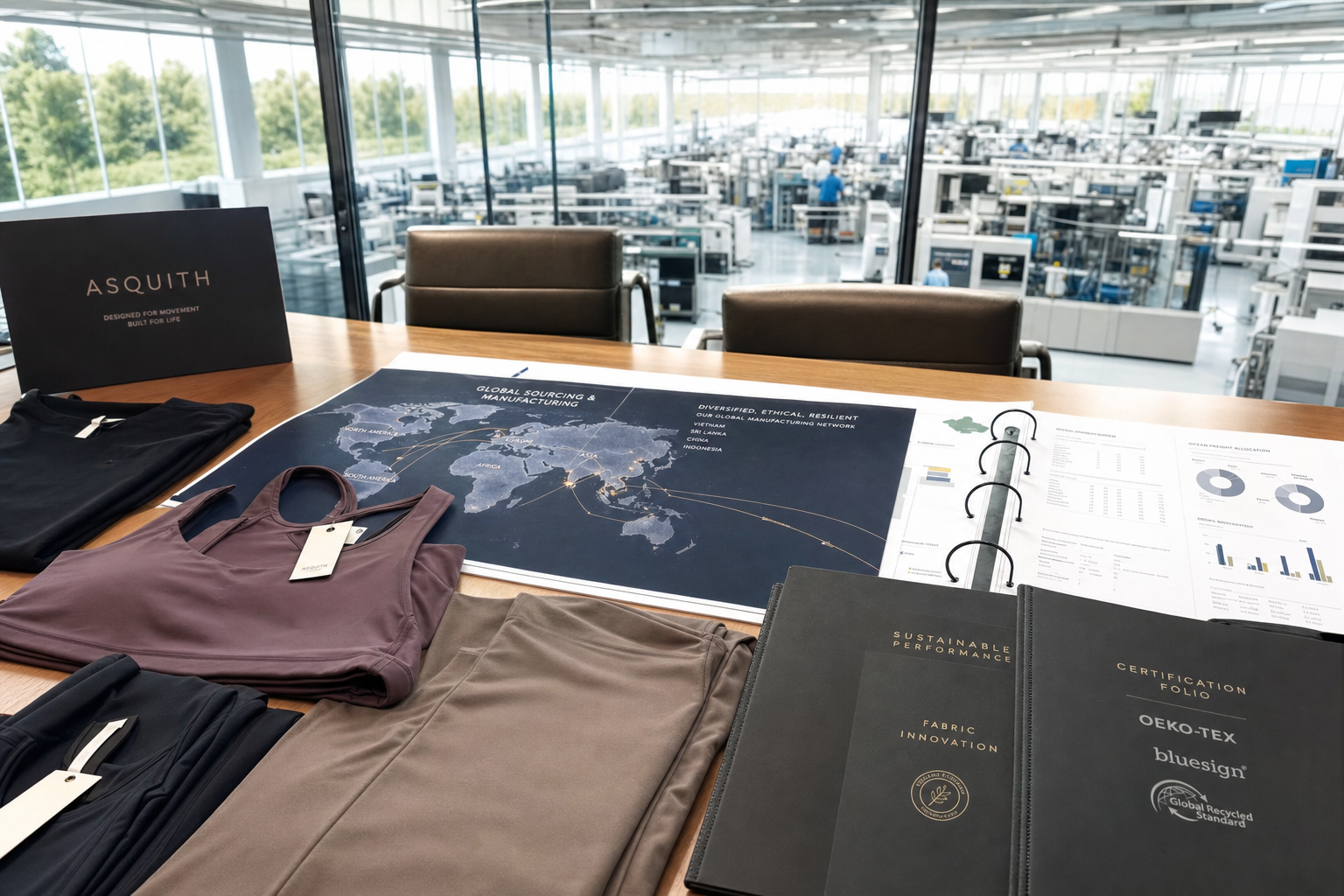
Lululemon primarily produces its clothes through a diversified network of third-party manufacturing partners located across Asia, notably in countries like Vietnam, Cambodia, Sri Lanka, China, and Indonesia, with some production also in North and Central America.[^1] This global strategy allows the brand to optimize for cost-efficiency, specialized textile expertise, and scale, ensuring their performance apparel meets high standards.
Understanding the geographical spread of a brand's production offers valuable insights into their operational strategy. From raw material sourcing to finished goods, Lululemon’s extensive supply chain is a testament to the intricate global landscape of performance apparel manufacturing. Let’s explore the layers of this production process.
How Does Lululemon Manage Its Global Supply Chain?
Are you wondering how a leading athletic wear brand like Lululemon maintains consistent quality and innovation across a vast array of products? The answer lies in their meticulously managed global supply chain. Brands face significant challenges in coordinating manufacturing, logistics, and quality assurance across different regions, often relying on a network of specialized partners.
Lululemon manages its global supply chain through a strategy of diversified manufacturing, partnering with dozens of suppliers worldwide[^2] to produce its athletic apparel. This approach allows them to leverage specialized textile capabilities, manage risk, and scale production efficiently across different product lines and market demands.
Dive Deeper: The Anatomy of a Global Apparel Supply Chain
The supply chain for Lululemon's clothes is a complex ecosystem, much like that of many leading global apparel brands. It starts with raw material sourcing and extends all the way to distribution to retail stores and online customers. For a company focused on high-performance athletic wear, the selection of materials and manufacturing techniques is paramount.
-
Raw Material Sourcing:
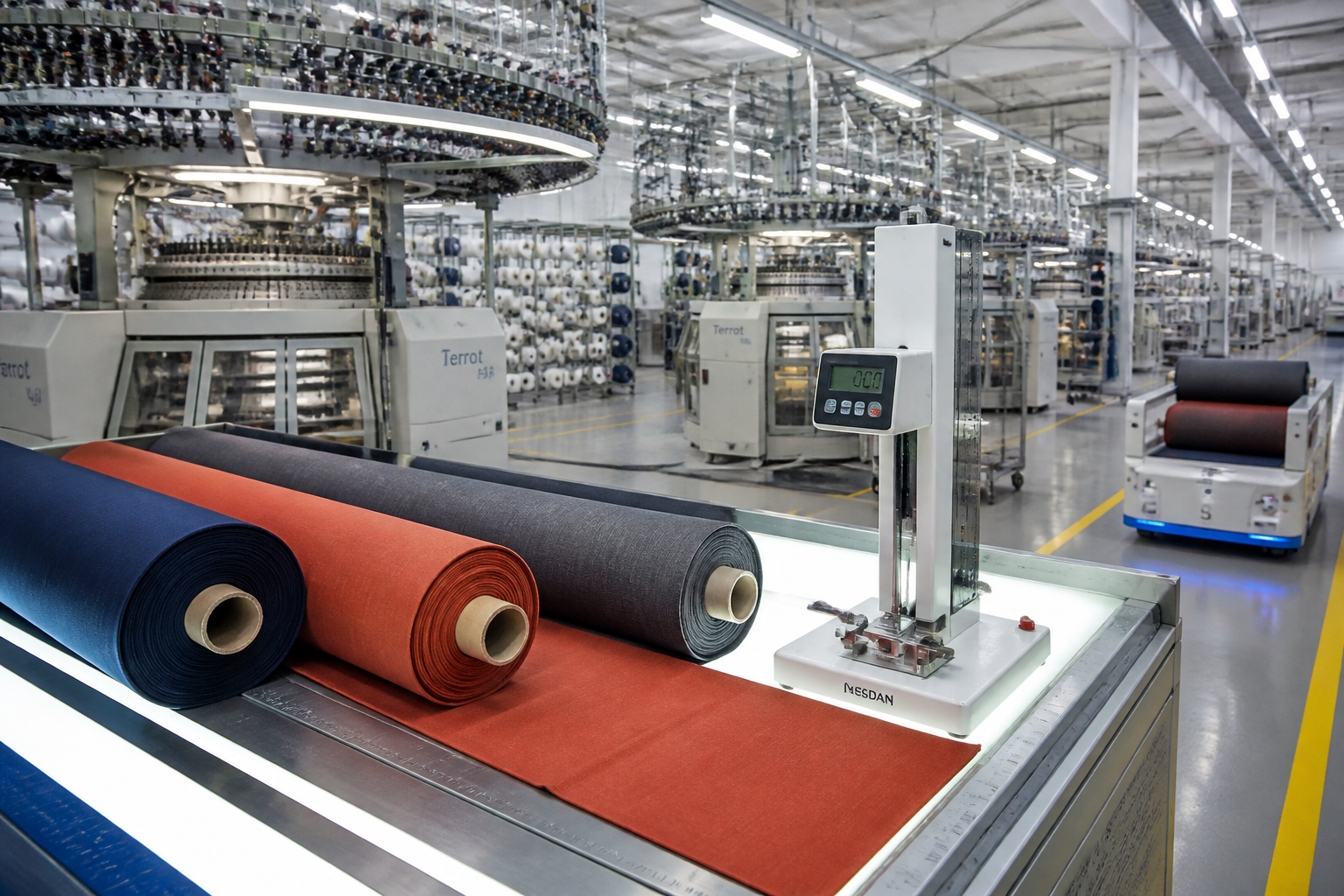
- Lululemon often uses proprietary fabrics like Luon, Nulu, and Everlux, which are developed with specific performance characteristics (e.g., moisture-wicking, stretch, breathability).
- The raw materials—polyester, nylon, spandex, cotton—are sourced from various mills globally, often specializing in advanced textile technologies. These mills might be in Taiwan, South Korea, China, or other textile-rich regions.
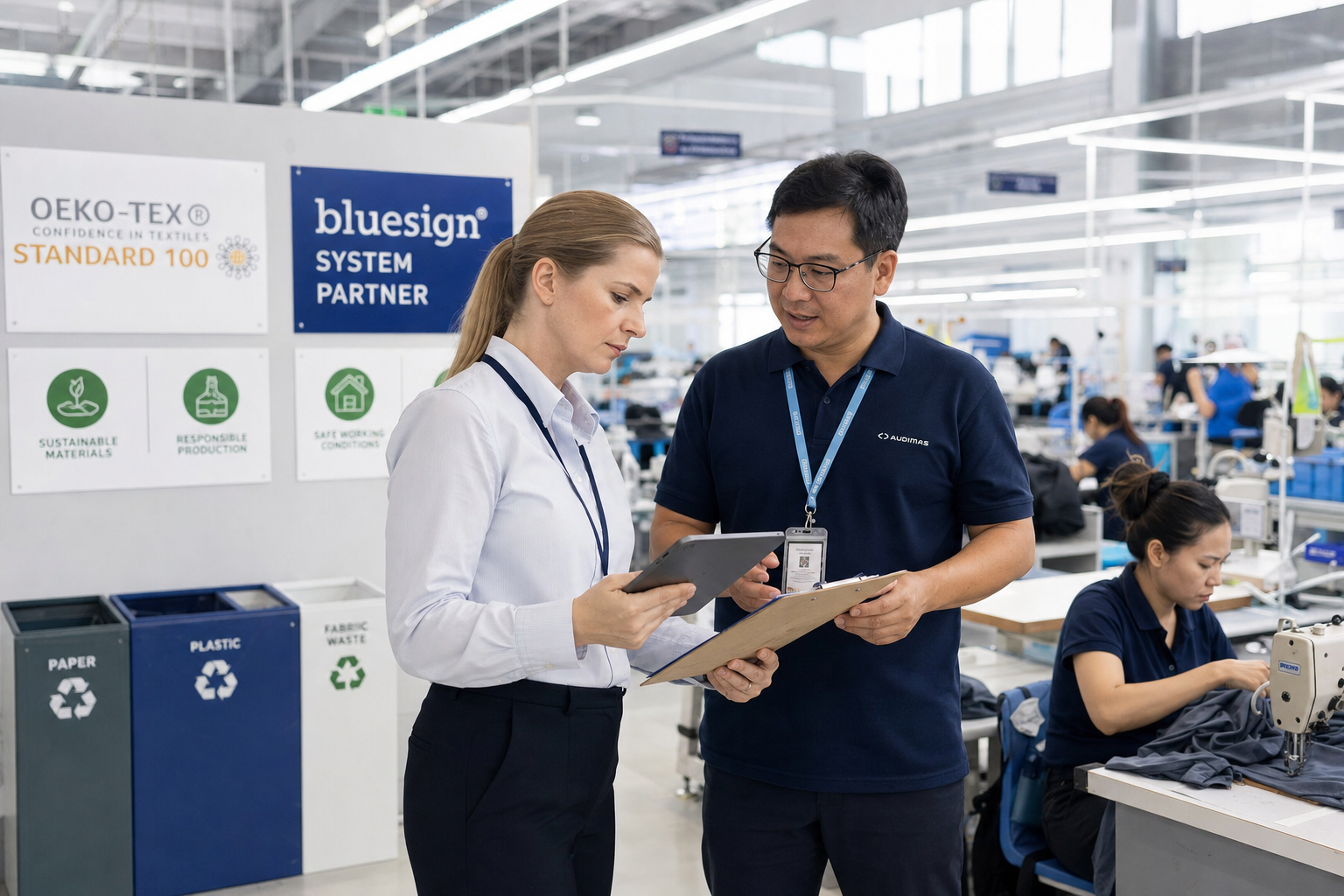
- The quality and ethical sourcing of these raw materials are critical, as they directly impact the final product's performance and the brand's sustainability claims. We, as manufacturers, understand that ensuring these raw materials meet international standards like OEKO-TEX® is the first step in guaranteeing a superior final product.
-
Manufacturing Locations:
- While Lululemon doesn't own all its factories, it works with contract manufacturers primarily in Asia.[^3] Countries frequently cited include:
- Vietnam: A significant hub for athletic apparel due to its established infrastructure, skilled labor, and competitive costs.[^4] Many complex garments are produced here.
- Cambodia: Known for a growing textile industry and favorable trade agreements.[^5]
- Sri Lanka: Offers specialized expertise in certain apparel categories.[^6]
- China: Continues to be a major player, especially for specialized fabrics, innovation, and larger volume orders, despite rising labor costs.[^7] Its robust ecosystem supports everything from raw materials to advanced machinery. Our own facilities in Dongguan, China, leverage this deep industrial base.
- Indonesia: Another Southeast Asian country with a strong manufacturing base for garments.
- Other Regions: Lululemon also has some production in North America (e.g., Canada, the USA, Mexico) and Central America for certain product lines, potentially for speed-to-market or specialized production.
- This geographical spread helps mitigate risks associated with geopolitical issues, natural disasters, or labor disruptions in any single region.[^8] It also allows for specialization; some factories might be better equipped for seamless technology, while others excel in cut-and-sew operations for intricate designs.
- While Lululemon doesn't own all its factories, it works with contract manufacturers primarily in Asia.[^3] Countries frequently cited include:
-
Production Processes:
- Cutting: Modern factories, including ours, utilize advanced CNC Auto Cutters for precise and efficient fabric cutting, minimizing waste and ensuring consistency across thousands of units.
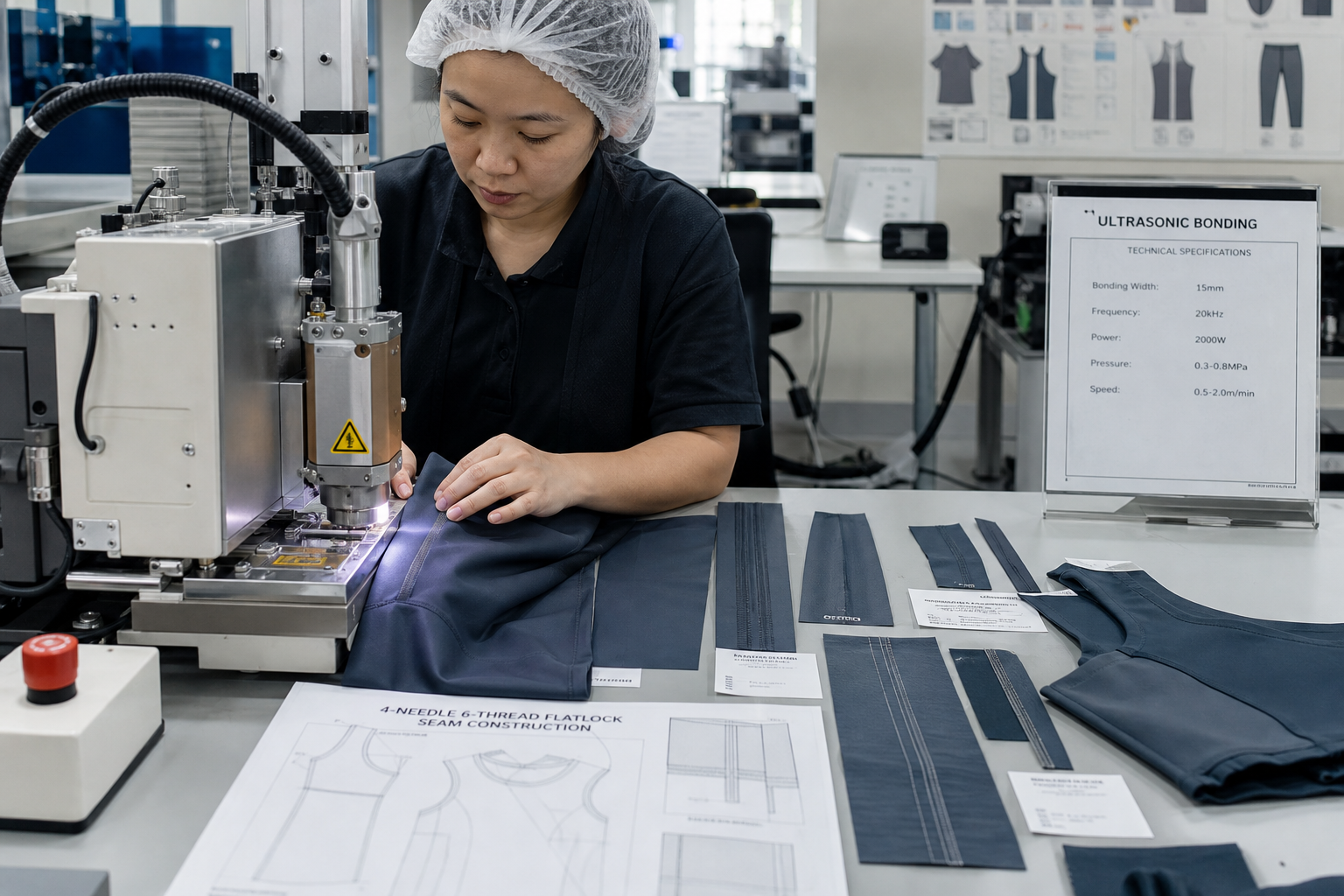
- Sewing and Assembly: Highly skilled operators employ various sewing techniques, including flatlock stitching for comfort and durability in athletic wear, often using specialized machinery.
- Finishing: This includes heat transfers for logos, quality checks, washing, pressing, and packaging.
- Quality Control: At each stage, rigorous quality checks are implemented. This can range from in-process checks on seams and dimensions to final inspections, ensuring every item of Lululemon's apparel meets their stringent standards.
-
Logistics and Distribution:
- Once manufactured, products are shipped globally via ocean freight or air cargo to Lululemon's distribution centers in North America, Europe, and Asia. From there, they are distributed to retail stores and directly to customers.
- Efficient logistics are crucial for managing inventory, reducing lead times, and ensuring products are available when and where customers want them.
In essence, Lululemon’s global supply chain is a finely tuned machine, optimized for efficiency, quality, and adaptability. This model serves as a benchmark for how modern apparel brands produce their high-demand athletic wear.
What Are the Key Considerations for Lululemon's Manufacturing Partners?
Entering into a partnership with a global brand like Lululemon is a significant achievement for any manufacturer. Yet, what exactly does it take to become a supplier for such a discerning company? The requirements extend far beyond mere production capacity, encompassing a blend of technical capability, ethical compliance, and long-term strategic alignment.
Lululemon carefully selects its manufacturing partners based on several key considerations, including their capacity for high-volume production, expertise in specialized performance fabrics and garment construction, adherence to stringent quality control protocols, and commitment to ethical labor practices and environmental sustainability.
Dive Deeper: Evaluating and Sustaining Supplier Relationships
For a brand like Lululemon, the selection and ongoing management of manufacturing partners is a critical business function. It's not just about finding someone who can sew fabric; it’s about finding a long-term strategic partner capable of innovation and consistent quality in Lululemon's apparel production.
-
Technical Expertise and Capacity:
- Fabric Innovation: Manufacturers must demonstrate expertise in working with and sourcing advanced, functional fabrics. This includes proprietary blends, moisture-wicking materials, four-way stretch fabrics, and sustainable textiles. Our own experience with high-elasticity, skin-friendly functional fabrics designed for diverse athletic uses, for example, is essential.
- Garment Construction: Athletic wear demands specialized construction techniques. This means proficiency in flatlock seams, seamless technology, precise pattern matching, and durable stitching that withstands rigorous activity. The ability to handle complex designs, like specialized yoga pants or intricate sports bras, is non-negotiable.
- Production Scale: Partners must possess the capacity to produce significant volumes while maintaining consistent quality. This includes having modern equipment, efficient production lines, and a skilled workforce. For instance, our monthly capacity of 200,000 pieces across multiple specialized lines directly addresses this need.
- Flexibility and Responsiveness: The ability to adapt to changing market trends, handle diverse product SKUs, and respond quickly to design modifications or production adjustments is highly valued. This includes offering comprehensive OEM/ODM solutions, from original design to mass production.
-
Quality Management Systems:
- Rigorous Quality Control: Suppliers must have robust quality management systems in place at every stage of production, from incoming raw materials inspection to in-process checks and final product audits. This includes testing for fabric elasticity, wash durability, abrasion resistance, and dimensional stability.
- Certifications: Adherence to international quality standards like ISO9001 is often a prerequisite. These certifications demonstrate a commitment to standardized processes and continuous improvement. We consistently meet and exceed these through our TUV Rheinland and SGS verified processes.
- Traceability: The ability to trace raw materials and production batches is crucial for accountability and problem-solving.
-
Ethical and Sustainable Practices:
- Labor Standards: Lululemon, like many global brands, requires its partners to adhere to strict ethical labor standards, including fair wages, safe working conditions, reasonable working hours, and no child or forced labor. Compliance with international labor conventions is paramount.
- Environmental Responsibility: Suppliers are expected to minimize their environmental impact through responsible waste management, energy efficiency, and reduction of hazardous chemicals. Certifications like OEKO-TEX® (ensuring textiles are free from harmful substances) and REACH (chemical regulation)[^9] are often mandatory. Our green product certifications and adherence to standards like AZO and PFAS restrictions are examples of such commitments.
- Transparency: A willingness to undergo regular audits by third-party organizations and Lululemon’s own teams is expected. This fosters trust and ensures ongoing compliance.
-
Innovation and Collaboration:
- R&D Capabilities: Brands look for partners who can contribute to product development, material innovation, and design optimization. A strong R&D team, like our own 20-person experienced design team, is an asset.
- Long-term Partnership: Lululemon values long-term relationships built on mutual trust and collaboration, rather than transactional dealings. This involves open communication and a shared vision for quality and growth.
In summary, becoming a manufacturing partner for Lululemon's apparel requires a comprehensive commitment to excellence across production, quality, ethics, and innovation. These are the same stringent standards we uphold for our global clients, from brand development to full-scale production.
How Does Lululemon Ensure Quality and Ethical Production?
The journey of Lululemon's clothes from concept to consumer is closely monitored, especially concerning quality and ethical standards. In an industry often scrutinized for its environmental and social impact, how does a premium brand ensure that its sophisticated activewear is made responsibly and to the highest specifications? This is a core concern for both consumers and B2B buyers.
Lululemon ensures quality and ethical production through a multi-faceted approach that includes regular factory audits, adherence to a comprehensive vendor code of conduct, robust quality control checks at various stages of manufacturing, and partnerships with third-party certification bodies. This rigorous oversight aims to guarantee product integrity and responsible sourcing of their apparel.
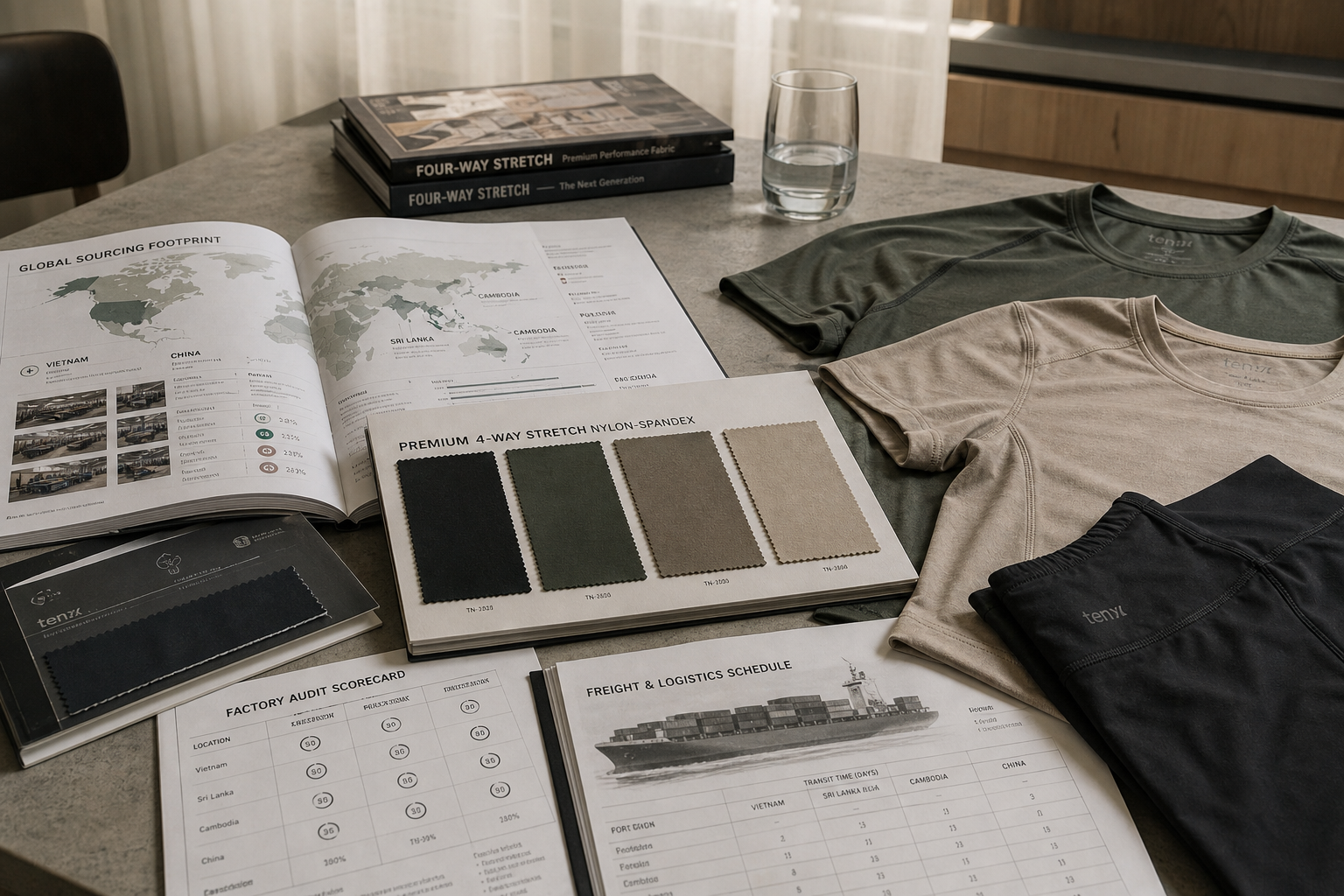
Dive Deeper: Mechanisms for Oversight and Accountability
Maintaining high standards across a distributed global supply chain is a complex endeavor. Lululemon, like other leading brands we work with, deploys specific mechanisms to ensure that every piece of their athletic wear meets both performance expectations and ethical guidelines.
-
Vendor Code of Conduct:
- Lululemon establishes a detailed Vendor Code of Conduct that all manufacturing partners must sign and adhere to.[^10] This code typically covers:
- Labor Rights: Prohibition of child labor, forced labor, discrimination; freedom of association; fair wages and benefits; reasonable working hours; health and safety standards.
- Environmental Standards: Compliance with local environmental laws, chemical management, waste reduction, water conservation, and greenhouse gas emission controls.
- Business Ethics: Anti-corruption, transparency, and data privacy.
- This code forms the contractual basis for ethical operations and is a foundational document for supplier accountability.
- Lululemon establishes a detailed Vendor Code of Conduct that all manufacturing partners must sign and adhere to.[^10] This code typically covers:
-
Audits and Assessments:
- Social Compliance Audits: Lululemon conducts regular, often unannounced, social compliance audits of its factories.[^11] These audits, frequently performed by independent third parties (e.g., Fair Labor Association, Better Work Program affiliates), assess working conditions, labor practices, and adherence to the Code of Conduct.
- Environmental Audits: Factories are also assessed for their environmental performance, including waste management, chemical usage, and energy consumption.
- Technical and Quality Audits: Beyond social and environmental aspects, technical audits evaluate a factory's capability to produce Lululemon's apparel to exact specifications. This includes machinery, process controls, and staff expertise.
-
Quality Control Processes:
- Material Inspection: Incoming raw materials, such as fabrics and trims, undergo rigorous testing to ensure they meet Lululemon's standards for colorfastness, stretch, durability, and chemical composition (e.g., adherence to OEKO-TEX® or REACH standards). Our own fabric sourcing and testing processes align with these crucial requirements.
- In-Process Checks: During cutting, sewing, and finishing, quality checks are performed at various stages. This might involve checks on seam integrity, stitching quality, size accuracy, and logo placement. Our multi-round quality inspections, from appearance to elasticity and stitching, mirror this level of detail.
- Final Product Inspection: Before packaging, finished garments undergo a comprehensive final inspection, including visual checks for defects, measurement verification, and functional tests (e.g., stretch recovery). A percentage of each batch is often subject to an Acceptance Quality Limit (AQL) inspection.[^12]
- Lab Testing: Products may be sent to independent labs for performance testing (e.g., moisture-wicking capability, UV protection, pill resistance) to ensure they live up to Lululemon's claims.
-
Third-Party Certifications:
- Lululemon leverages and often requires its suppliers to obtain third-party certifications like OEKO-TEX®, Global Organic Textile Standard (GOTS), or Responsible Down Standard (RDS), depending on the material. These certifications provide independent verification of product safety and responsible sourcing. Our facilities hold certifications such as TüV Rheinland, SGS, OEKO-TEX®, ISO9001, CE, SC, AZO, and REACH compliance, demonstrating our commitment to these global benchmarks.
- These external validations build trust with consumers and provide an objective measure of compliance.
-
Supplier Engagement and Capacity Building:
- Beyond audits, Lululemon engages with its suppliers to help them improve their social and environmental performance. This might involve training programs, sharing best practices, and collaborative projects aimed at continuous improvement.
- This proactive approach helps build stronger, more resilient supply chains capable of consistently producing high-quality Lululemon's apparel in an ethical manner.
By integrating these various layers of oversight, Lululemon strives to ensure that every product not only performs exceptionally but is also made with integrity, reflecting a commitment to both quality and corporate responsibility. For our B2B clients, we apply similarly robust quality and ethical oversight, recognizing that these standards are fundamental to brand reputation and market success.
Frequently Asked Questions
Where are the main manufacturing locations for Lululemon's clothes?
Lululemon primarily manufactures its clothes through third-party partners in Asian countries like Vietnam, Cambodia, Sri Lanka, China, and Indonesia. They also have some production in North and Central America to diversify their supply chain and leverage regional expertise.
Does Lululemon own its factories, or do they use contractors?
Lululemon largely utilizes third-party contract manufacturers rather than owning its factories. This approach allows them flexibility, access to specialized textile production, and the ability to scale up or down based on demand, focusing on core brand activities.
How does Lululemon ensure ethical labor practices in its supply chain?
Lululemon enforces a comprehensive Vendor Code of Conduct that mandates fair labor practices, safe working conditions, and prohibits child/forced labor. They conduct regular, often unannounced, social compliance audits through internal teams and independent third parties to monitor adherence to these standards.
What quality standards do Lululemon's manufacturing partners need to meet?
Manufacturing partners must adhere to stringent quality standards covering material sourcing, precision in cutting and sewing, and robust quality control checks at every production stage. This includes compliance with international certifications like ISO9001 and textile safety standards such as OEKO-TEX® and REACH.
Conclusion
Understanding "where does Lululemon make its clothes?" reveals a complex, globally diversified manufacturing strategy. Like many leading athletic apparel brands, Lululemon relies on a network of specialized third-party factories, primarily across Asia, to produce its high-performance athletic wear. This approach, while efficient, demands rigorous oversight in supply chain management, stringent criteria for manufacturing partners, and robust systems for ensuring both quality and ethical production. For any business looking to source high-quality athletic apparel, the lessons from Lululemon's model underscore the importance of selecting partners with advanced technical capabilities, commitment to international certifications, and transparent ethical practices.
If your brand is seeking a manufacturing partner that understands these complexities and delivers on quality, ethics, and scale, we are here to help. At Dongguan Pro Sportswear, we specialize in OEM/ODM solutions for yoga wear, sportswear, and unisex athletic apparel, leveraging our 12 years of experience and state-of-the-art facilities to bring your designs to life. With certifications like TüV Rheinland, SGS, OEKO-TEX®, and ISO9001, we provide the reliable, high-standard production required for today's discerning market. Contact us today to discuss how we can become your trusted manufacturing partner.
[^1]: "lulu-20240128", https://www.sec.gov/Archives/edgar/data/1397187/000139718724000010/lulu-20240128.htm. Lululemon's annual securities filings describe its reliance on third-party manufacturers and provide company-reported context for the geographic distribution of its production network. Evidence role: general_support; source type: government. Supports: An SEC-filed annual report or equivalent disclosure should support Lululemon's reliance on third-party manufacturers and identify the main countries or regions involved in production.. Scope note: This would be official company-reported information and may summarize regions rather than identify every factory or product line. [^2]: "active-supplier-list-april-2025.pdf", https://corporate.lululemon.com/~/media/Files/L/Lululemon/documents/active-supplier-list-april-2025.pdf. Lululemon supplier disclosures provide company-reported evidence on the number and distribution of factories and suppliers in its apparel supply chain. Evidence role: statistic; source type: institution. Supports: A Lululemon supplier disclosure or impact report should support the approximate number and global distribution of manufacturing partners.. Scope note: The source would verify reported supplier scale, but it would not independently assess the quality or performance of those suppliers. [^3]: "lulu-20250202", https://www.sec.gov/Archives/edgar/data/1397187/000139718725000013/lulu-20250202.htm. Lululemon's securities filings state that the company relies on third-party manufacturers, providing formal support for the article's description of a contractor-based production model. Evidence role: general_support; source type: government. Supports: A securities filing should confirm whether Lululemon uses third-party contract manufacturers and whether the production base is concentrated in Asia.. Scope note: The filing may not distinguish between all factory ownership structures or provide facility-level detail. [^4]: "Apparel Exports and Career Paths for Women in Developing ...", https://openknowledge.worldbank.org/entities/publication/1511e016-32cc-5b1c-adbc-646082fa40c1. Government trade analysis identifies Vietnam as a major apparel and textile manufacturing exporter, offering contextual support for its role as a production hub for global apparel brands. Evidence role: general_support; source type: government. Supports: A government trade report or international development source should support Vietnam's role as a major apparel manufacturing location and describe factors such as export capacity, infrastructure, and labor availability.. Scope note: Such sources support Vietnam's sector-level role, not Lululemon-specific production volumes in Vietnam. [^5]: "The Global Apparel Value Chain, Trade and the Crisis", https://openknowledge.worldbank.org/entities/publication/5ff4813c-2109-5792-b8c0-3d7b5d8231f3. International labor and development sources describe Cambodia's garment industry as a major export sector shaped by global sourcing patterns and preferential market access. Evidence role: historical_context; source type: institution. Supports: An ILO, World Bank, or trade-policy source should document Cambodia's garment-sector growth and the role of preferential trade access.. Scope note: This would provide sector context rather than direct evidence that Lululemon chose Cambodia because of trade agreements. [^6]: "APPAREL GVC ANALYSIS", https://thedocs.worldbank.org/en/doc/766781566322052743-0130022019/render/PART3APPARELGVCANALYSIS.pdf. Research and development-sector reporting on Sri Lanka's apparel industry documents its export orientation and specialization in higher-value garment categories. Evidence role: general_support; source type: research. Supports: A research or development report should support Sri Lanka's reputation for specialized apparel manufacturing, such as intimate apparel, activewear, or technical garments.. Scope note: The evidence would support industry-level specialization, not necessarily a specific Lululemon product category. [^7]: "China takes textiles upstream", https://eastasiaforum.org/2026/08/08/china-takes-textiles-upstream/. International trade and industry data show China remains one of the world's largest textile and apparel producers and exporters, while industry analyses note changing cost pressures and movement toward higher-value manufacturing capabilities. Evidence role: general_support; source type: institution. Supports: A WTO, UNIDO, OECD, or similar institutional source should support China's continued scale in textile and apparel manufacturing and provide context on cost and capability trends.. Scope note: The source would support the broader industry context rather than verify Lululemon-specific use of Chinese factories for specialized fabrics. [^8]: "(PDF) Supply Chain Resilience And Risk Management", https://www.academia.edu/127774081/Supply_Chain_Resilience_And_Risk_Management_Strategies_For_Mitigating_Global_Supply_Chain_Disruptions. Supply-chain resilience research finds that geographic diversification and multisourcing can reduce vulnerability to localized disruptions by limiting dependence on any single production region. Evidence role: mechanism; source type: paper. Supports: A peer-reviewed supply-chain management paper should explain how multisourcing and geographic diversification can reduce dependence on a single region and improve resilience.. Scope note: This supports the general mechanism and does not prove that Lululemon's specific network achieves this outcome in all disruptions. [^9]: "Oeko-Tex", https://en.wikipedia.org/wiki/Oeko-Tex. OEKO-TEX documentation describes STANDARD 100 as a textile testing system for harmful substances, while European Chemicals Agency materials define REACH as the European Union framework for registration, evaluation, authorization, and restriction of chemicals. Evidence role: definition; source type: institution. Supports: Official OEKO-TEX documentation and European Chemicals Agency REACH materials should support the definitions of these textile chemical-safety frameworks.. Scope note: These definitions explain the standards but do not show that any specific Lululemon supplier holds or requires them. [^10]: "Vendor Code of Ethics and Benchmarks", https://corporate.lululemon.com/~/media/Files/L/Lululemon/our-impact/vendor-code-of-ethics/vcoe-supporting-benchmarks.pdf. Lululemon's Vendor Code of Conduct sets out supplier obligations on labor, health and safety, environmental compliance, and business ethics. Evidence role: definition; source type: institution. Supports: Lululemon's Vendor Code of Conduct or responsible sourcing documentation should define the obligations imposed on suppliers.. Scope note: The policy establishes requirements but does not by itself demonstrate full compliance across all supplier facilities. [^11]: "Strategic Audit - Lululemon - UNL Digital Commons", https://digitalcommons.unl.edu/cgi/viewcontent.cgi?article=1917&context=honorstheses. Lululemon responsible-sourcing disclosures describe factory assessment and audit practices used to monitor supplier compliance with company standards. Evidence role: general_support; source type: institution. Supports: A Lululemon impact report or responsible sourcing disclosure should document whether supplier audits occur and whether some are unannounced.. Scope note: Company disclosures can establish the existence of an audit program but do not independently verify working conditions or audit effectiveness. [^12]: "6.2.2. What kinds of Lot Acceptance Sampling Plans (LASPs ...", https://www.itl.nist.gov/div898/handbook/pmc/section2/pmc22.htm. Acceptance Quality Limit sampling standards define procedures for inspecting a selected sample from a production lot and using the observed defect rate to determine lot acceptance. Evidence role: mechanism; source type: institution. Supports: An ISO, NIST, or quality-control reference should explain that AQL-based inspection uses statistical sampling to decide whether a lot or batch is acceptable.. Scope note: This supports the general inspection method and does not establish Lululemon's exact sampling plans or acceptance thresholds.
<!--[googlesitekit-end-of-content]-->