
How Much Does Custom Sportswear Manufacturing Cost?
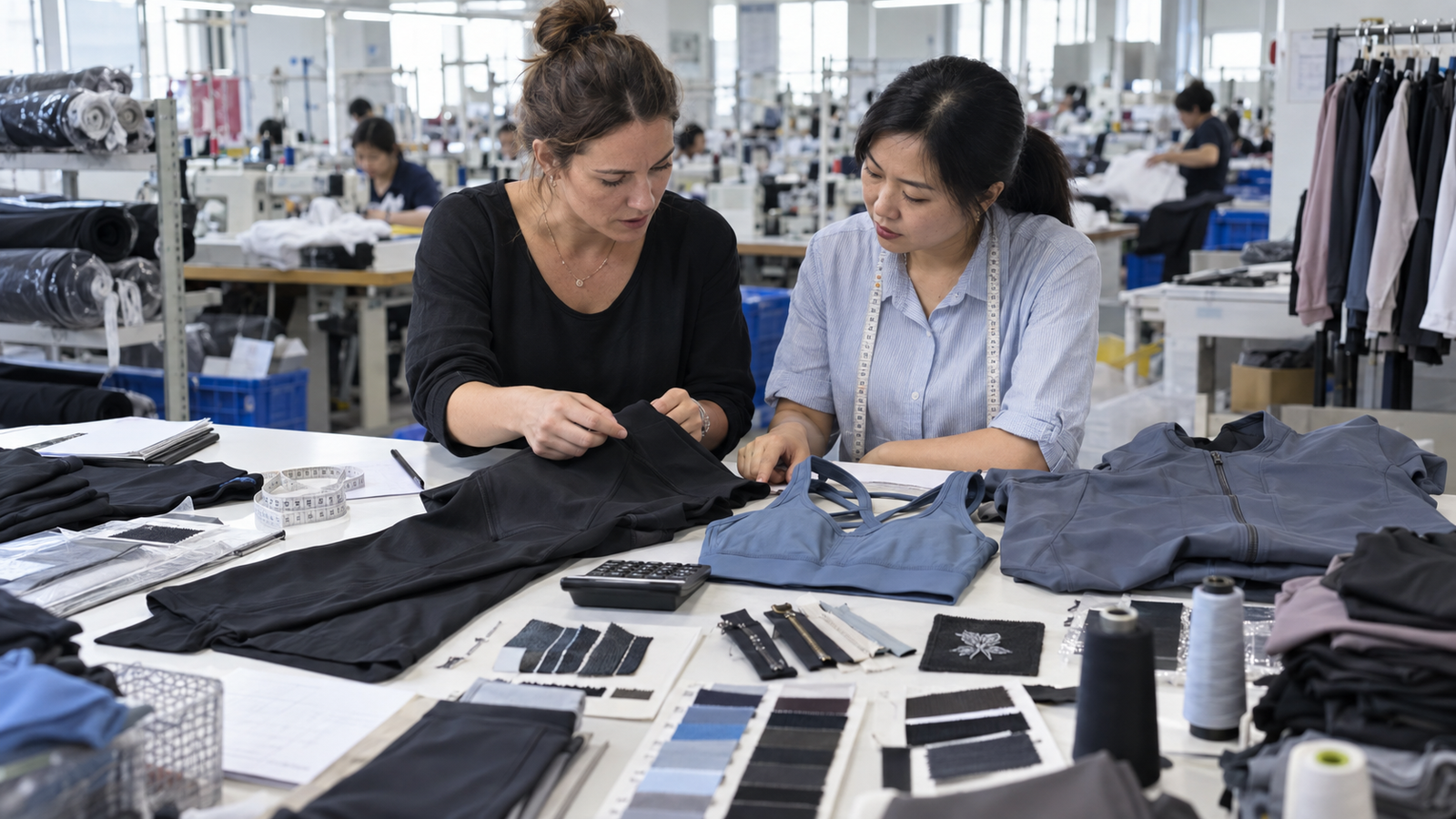
You want to launch a new activewear line, but unpredictable custom sportswear manufacturing costs keep holding your project back. Budget overruns and hidden supplier fees can quickly ruin your profit margins. I will show you exactly how to budget for your next production run so you can protect your bottom line.
Custom sportswear manufacturing costs typically range from $8 to $25 per piece for standard orders, but highly technical garments can exceed $40.[^1] Your exact price depends on fabric selection, order volume, design complexity, and specific customization techniques like printing or embroidery. Sample creation usually costs between $50 and $150.[^2]
Knowing this average price range is just the beginning of your procurement journey. We need to break down the specific variables that drive these prices up or down so you can make smarter sourcing decisions for your brand.
What Factors Influence Custom Activewear Production Pricing?
You receive three different quotes from three different manufacturers, and the price gap is confusing. Guessing why one supplier charges more leads to poor quality control. We must evaluate the core drivers behind these production price variations.
Custom activewear production pricing depends primarily on four variables: raw material costs, manufacturing labor, order quantity, and customization techniques.[^3] Complex designs requiring specialized machinery, like CNC auto cutters, or advanced printing methods will naturally increase the final unit price compared to basic generic templates.
When I evaluate a new product line with a client, I always break down the design complexity first. A basic sports t-shirt requires far less labor than high-waisted yoga pants featuring hidden pockets, mesh splicing, and four-way stretch stitching. Every extra seam adds time to the production line, and factory time equals money.
Labor and Specialized Machinery Requirements
Sportswear requires highly precise stitching to withstand intense physical movement. Flatlock stitching prevents chafing during yoga or running[^4], but it requires specific, expensive sewing machines and highly skilled operators. If your factory utilizes advanced equipment like industry-leading CNC Auto Cutting machines, material waste decreases significantly[^5]. The precision improves drastically. However, the factory factors the operational cost of these high-end machines into the overall production rate.
Customization and Branding Techniques
How you brand your clothing directly impacts your budget. You have several options to consider:
- Screen Printing: This method is very cost-effective for large bulk runs. However, high setup fees make it too expensive for micro-batches.
- Sublimation Printing: This technique is excellent for all-over prints on polyester fabrics. It usually falls into a moderate price bracket.
- Embroidery: This gives a premium, high-end feel to golf shirts and hoodies. Factories price embroidery by the stitch count, making large logos very expensive.
- Heat Transfer Labels: These are ideal for tagless neck labels. They add a few cents per unit but dramatically increase wearer comfort.
Factory Compliance and Safety Certifications
A certified, safe, and clean factory costs more to operate. If your supplier maintains ISO9001 quality management standards and uses materials compliant with OEKO-TEX®, REACH, or PFAS-free standards[^6], their baseline operational costs are slightly higher. Skipping these certifications often leads to toxic fabrics, allergic reactions, or failed customs inspections.[^7] These failures will cost you far more in the long run. I always advise professional buyers to verify these certification documents rather than just chasing the absolute lowest penny.
How Do Fabric Choices Impact Sportswear Manufacturing Prices?
Selecting the wrong fabric ruins the performance of your athletic wear and destroys customer trust. High-performance materials are expensive, and cheap substitutes fail basic stress tests. Let us look at how fabric sourcing directly dictates your final invoice.
Fabric choices represent 30% to 50% of your total custom sportswear manufacturing cost.[^8] High-compression synthetics, moisture-wicking blends, and eco-friendly recycled materials command premium prices. Conversely, basic cotton or standard polyester blends reduce costs but lack the technical stretch required for professional yoga and fitness apparel.
Fabric is the undeniable soul of any athletic garment. In my years of handling OEM/ODM sportswear projects, I have seen startup brands try to cut costs on fabric. They almost always face massive return rates due to transparency issues—like failing the famous "squat test"—or excessive fabric pilling after one wash.
Common Sportswear Fabrics and Cost Tiers
Let us compare the most common fabric options you will evaluate during your procurement process.
| Fabric Type | Performance Characteristics | Cost Level | Ideal Application |
|---|---|---|---|
| Standard Polyester | Durable, basic moisture-wicking, lacks high stretch. | Low | Promotional sports tees, basic gym shorts. |
| Nylon/Spandex Blend | High stretch, buttery soft, excellent shape recovery. | High | Premium yoga pants, high-impact sports bras. |
| Recycled PET (Eco) | Sustainable, good wicking, reduces carbon footprint. | Medium-High | Eco-conscious activewear brands. |
| [Bamboo Viscose | Naturally antibacterial, ultra-soft, less compressive.](https://www.ftc.gov/news-events/news/press-releases/2009/10/maker-rayon-clothes-barred-deceptive-bamboo-claims)[^9] | Medium | Athleisure, light lounge wear, cover-ups. |
Functional Additives and Chemical Treatments
You must also factor in functional treatments when calculating your budget. Does your target market require UV protection for outdoor tennis skirts? Do you need anti-microbial treatments for intense CrossFit gym wear? Each chemical treatment added during the dyeing and finishing process increases the per-yard cost of the raw fabric.
To ensure you actually get what you pay for, you should always request physical fabric swatches before mass production begins. Furthermore, you must verify that the fabrics pass strict environmental standards like RoHS and REACH. You want materials that are skin-friendly, moisture-wicking, and completely free from toxic AZO dyes. High-quality fabric ensures your garments survive repeated washing without losing their elasticity.[^10]
Does Order Quantity Affect Your Custom Sportswear Cost?
You want to test a new activewear design, but factories demand massive minimum order quantities that drain your cash flow. Tying up your limited capital in unproven inventory is incredibly risky. You need to understand how volume pricing actually works.
Yes, your order quantity drastically impacts your overall custom sportswear cost. Larger production runs spread setup fees, machine calibration time, and fabric dyeing minimums across more units, significantly lowering the price per piece.[^11] Small test orders carry higher unit costs because the factory absorbs the same setup time.
The business concept of economies of scale is nowhere more evident than in clothing manufacturing. Whenever I discuss quotes with international brands, the Minimum Order Quantity (MOQ) is always the biggest topic of debate.
Breaking Down MOQ Tiers and Pricing
Most professional factories enforce rigid MOQ rules because sourcing raw fabric requires minimum yardages from the textile mills. A factory cannot buy just five yards of custom-dyed nylon.
- Micro-Batches (50–100 pieces): This tier is ideal for startups or established brands testing a new niche, like a specialized golf dress. The unit price will be at its highest point here. You should expect to pay a premium, but you effectively mitigate the financial risk of holding dead stock.
- Standard Runs (500–1,000 pieces): This is the sweet spot for most wholesale distributors and e-commerce sellers. The factory buys fabric in standard rolls, cutting efficiency improves dramatically, and the unit cost drops to a very competitive level.
- Bulk Manufacturing (5,000+ pieces): At this high volume, factories optimize their CNC Auto Cutters and assign dedicated assembly lines entirely to your product. The unit price drops to its absolute lowest possible point.
A Smart Strategy for Startups
If you are a startup or a brand testing new waters, you must look for flexible OEM/ODM partners. At Dongguan Pro Sportswear, we actively support small batch trial orders starting at just 50 to 100 pieces. This low MOQ allows you to launch your collection without facing financial ruin. Once your market validates the new design, you can seamlessly scale up production. We have a monthly capacity of 200,000 pieces, so you will easily enjoy the bulk discounts on your future re-orders.
What Are The Hidden Fees In OEM/ODM Sportswear Manufacturing?
The initial factory quote looks fantastic, so you sign the contract and send your deposit. Suddenly, surprise charges for specialized packaging, label molds, and shipping appear on your final invoice. We must identify these hidden costs before you commit to a supplier.
Hidden fees in OEM/ODM sportswear manufacturing typically include sample development costs, pattern grading, custom logo molds, specialized packaging, and complex logistics. You must also account for third-party quality inspection fees and customs duties. Always request a fully itemized quotation covering the entire process from prototype to final delivery.
A low unit price is often a dangerous mirage if you do not read the fine print carefully. I have met many buyers who lost their profit margins because they accepted incomplete quotes. To protect your procurement budget, you must strictly ask your supplier to list every single line item.
Common Overlooked Production Costs
1. Sampling and Pattern Making Fees: Creating a physical prototype takes significant time and resources. Pattern makers must draft the initial paper or digital design, and sample sewers must manually put the garment together. A typical custom sample costs between $50 and $150. Many reputable factories will happily refund this sample fee once you place a bulk order that meets their specific volume threshold.
2. Size Grading Costs: If you design a highly structured sports bra, the factory usually makes the first sample in a base size, like Medium. Scaling that complex pattern up to an XL and down to an XS requires mathematical grading. Some factories charge a separate one-time fee for grading each additional size.
3. Custom Trims and Hardware: The baseline quote might cover the main fabric, but what about the accessories? Do you need YKK zippers for your yoga jacket? Do you want custom rubberized aglets on your hoodie drawstrings? High-quality, durable trims add up quickly and increase the total manufacturing cost.
4. Custom Packaging and Tags: Standard clear polybags are usually free or cost just pennies. However, if you want premium frosted EVA zip-lock bags printed with your brand logo, the price changes. Customized hang tags, woven size labels, and branded tissue paper will easily add $0.30 to $1.00 per unit.
Always choose to work with an experienced manufacturer that provides full pricing transparency. A reliable factory will map out all supply chain costs upfront, so you never encounter nasty surprises at the shipping dock.
Frequently Asked Questions
How much does a custom sportswear sample cost?
A custom sportswear sample generally costs between $50 and $150. This fee covers pattern making, material sourcing, and specialized manual labor. Most reliable manufacturers will refund this sampling cost when you proceed with a bulk mass production order.
Is shipping included in the custom sportswear manufacturing cost?
No, shipping is rarely included in the baseline manufacturing quote. Factories usually quote EXW (Ex Works) or FOB (Free on Board) prices. You must calculate international air freight or sea shipping, plus your local customs duties, as a separate logistical expense.
Can I reduce costs by providing my own fabric?
Yes, this is called CMT (Cut, Make, Trim) manufacturing. You supply the fabric, and the factory only charges for cutting and sewing labor. However, managing international fabric logistics is very complex and often causes severe production delays for inexperienced buyers.
What is the difference between OEM and ODM pricing?
OEM (Original Equipment Manufacturer) means you provide the exact design and tech pack, and the factory builds it. ODM (Original Design Manufacturer) means you select pre-designed styles from the factory's catalog and add your branding. ODM is usually cheaper and faster because it requires zero pattern development.
Conclusion
Calculating your custom sportswear manufacturing cost requires careful attention to detail. You must evaluate your fabric choices, understand how order quantities affect unit pricing, and account for specialized labor and machinery. You also need to watch out for hidden fees like pattern grading and custom packaging. By mastering these procurement variables, you can confidently budget your next activewear collection and protect your profit margins.
If you need a reliable partner to bring your vision to life, Dongguan Pro Sportswear offers 12 years of OEM/ODM expertise. We provide one-stop customization with low MOQs, strict quality control, and internationally certified fabrics. Contact us today to get a transparent, itemized quote for your next sportswear project.
[^1]: "Clothing Production Cost Breakdown: Global Math (2026)", https://www.oneaimapparel.com/blog/clothing-production-cost-breakdown-global/. An apparel-costing study or sourcing-cost dataset reports that garment unit costs vary substantially by fabric, construction complexity, and order volume, providing contextual support for the stated sportswear price range. Evidence role: statistic; source type: research. Supports: A neutral apparel costing source should document typical unit-cost ranges or provide comparable cost models for sportswear or technical apparel production.. Scope note: Exact dollar ranges may vary by country, factory tier, exchange rates, and order specifications, so the source may support the range contextually rather than verify every quoted figure. [^2]: "Clothing Pattern Maker vs Sample Maker", https://www.madeapparelservices.com/blog/clothing-pattern-maker-vs-clothing-sample-maker?srsltid=AfmBOop7nYHcxd3nmHxodtEJW7vXfrPnA_0sQmCMV-oSrNKXWX0tXApU. Apparel product-development literature treats prototype sampling as a distinct cost item covering pattern work, material use, and manual sewing labor, which contextualizes sample fees in the stated range. Evidence role: statistic; source type: research. Supports: A garment product-development or apparel-costing source should support the claim that prototype sampling incurs separate labor, pattern, and material costs in this general range.. Scope note: The source may describe sampling cost components more directly than the exact $50-$150 range, which can differ by region and garment complexity. [^3]: "Custom Clothing Manufacturing Cost: 10 Price Factors", https://istanbulfactory.com/custom-clothing-manufacturing-cost-10-price-factors/. Apparel-costing references identify materials, direct labor, production overhead, order quantity, and finishing operations as major determinants of garment unit cost. Evidence role: general_support; source type: education. Supports: A textile or apparel-management textbook or university source should explain that garment costs are driven by materials, labor, overhead/setup, quantity, and finishing/customization choices.. [^4]: "Flatlock seam used in activewear and outdoor clothing to reduce bulk and ...", https://www.reddit.com/r/toolgifs/comments/1pnkppx/flatlock_seam_used_in_activewear_and_outdoor/. Textile and apparel-construction sources describe flatlock seams as low-profile seam structures used in close-fitting sportswear to reduce bulk and skin irritation during movement. Evidence role: mechanism; source type: education. Supports: A textile-design or apparel-engineering source should explain that flatlock seams create flatter seam profiles that can reduce rubbing against the skin.. Scope note: The evidence supports the design mechanism; actual chafing reduction may also depend on fit, fabric, activity duration, and wearer sensitivity. [^5]: "(PDF) Additive manufacturing for zero waste apparel ... - ResearchGate", https://www.researchgate.net/publication/392799964_ADDITIVE_MANUFACTURING_FOR_ZERO_WASTE_APPAREL_MANUFACTURING_INDUSTRY_IN_SRI_LANKA_A_LITERATURE_REVIEW. Research on computerized marker planning and automated garment cutting finds that optimized cutting layouts can improve fabric utilization and reduce cutting-room waste. Evidence role: mechanism; source type: paper. Supports: A manufacturing or textile-engineering paper should show that computerized marker planning and automated fabric cutting can improve fabric utilization and reduce cutting waste.. Scope note: The magnitude of waste reduction depends on marker efficiency, fabric width, pattern geometry, and production volume. [^6]: "EU REACH", https://www.trade.gov/eu-reach. Institutional sources describe OEKO-TEX testing, REACH chemical restrictions, and PFAS-related controls as frameworks used to manage or verify chemical safety risks in textile products. Evidence role: definition; source type: institution. Supports: Authoritative institutional sources should define these standards or regulations and show their relevance to restricted chemicals in textiles and apparel.. Scope note: These frameworks differ in legal status and scope; OEKO-TEX is a voluntary certification, while REACH is a European regulatory system. [^7]: "Disperse azo dyes, arylamines and halogenated ... - PMC", https://pmc.ncbi.nlm.nih.gov/articles/PMC9542814/. Regulatory safety databases and chemical-agency guidance document that textiles containing restricted substances such as certain azo dyes, chromium compounds, or PFAS may pose health risks and face compliance enforcement. Evidence role: general_support; source type: government. Supports: A government or regulator source should document that non-compliant textiles can contain restricted substances associated with health risks and may be subject to market withdrawal or import action.. Scope note: Certification absence does not by itself prove a product is unsafe; it indicates that independent verification or regulatory compliance evidence may be lacking. [^8]: "Clothing Cost Breakdown: 100, 200, 500 Units", https://www.whitecotton.pt/blog/clothing-production-costs-breakdown. Garment-costing analyses commonly identify fabric as a major cost component, often representing a large share of total manufacturing cost depending on garment type and material specification. Evidence role: statistic; source type: research. Supports: A garment-costing source should show that fabric or main material is commonly one of the largest cost components and may account for a substantial share of total garment cost.. Scope note: The exact 30%-50% share is context dependent and may differ for simple garments, highly engineered activewear, and orders with expensive trims or finishing. [^9]: "Maker of Rayon Clothes Barred from Deceptive "Bamboo" Claims", https://www.ftc.gov/news-events/news/press-releases/2009/10/maker-rayon-clothes-barred-deceptive-bamboo-claims. Consumer-protection and textile-science sources caution that rayon or viscose made from bamboo is chemically processed cellulose and may not retain natural bamboo antimicrobial properties without additional treatment. Evidence role: general_support; source type: government. Supports: A neutral consumer-protection or textile-science source should clarify whether bamboo viscose retains antibacterial properties and how softness or compressiveness are characterized.. Scope note: This evidence may qualify or contradict the article's wording; it supports careful phrasing rather than confirming that all bamboo viscose is naturally antibacterial. [^10]: "Effect of Laundering on Dynamic Elastic Behavior of Cotton ...", https://jtatm.textiles.ncsu.edu/index.php/JTATM/article/view/2593. Textile-performance research shows that elastane content, fabric structure, finishing, and laundering conditions influence stretch recovery, dimensional stability, and durability in stretch fabrics. Evidence role: mechanism; source type: paper. Supports: A textile-performance study should support that fiber content, knit structure, elastane quality, and laundering conditions affect stretch recovery and dimensional stability.. Scope note: The evidence supports the mechanism but does not prove that every higher-priced fabric will maintain elasticity better than a lower-cost alternative. [^11]: "Economies of Size | Ag Decision Maker - Iowa State Extension", https://www.extension.iastate.edu/agdm/wholefarm/html/c5-206.html. Operations-management literature explains that fixed setup and preparation costs are allocated over the number of units produced, so larger production runs can reduce average unit cost when other variables remain stable. Evidence role: mechanism; source type: education. Supports: An operations-management or apparel-production source should explain that fixed setup costs and production minimums are allocated across units, lowering average unit cost as volume rises.. Scope note: The effect can be offset by capacity constraints, expedited labor, inventory costs, or material-price changes.