
How to Source the Best Custom Yoga Shirts?
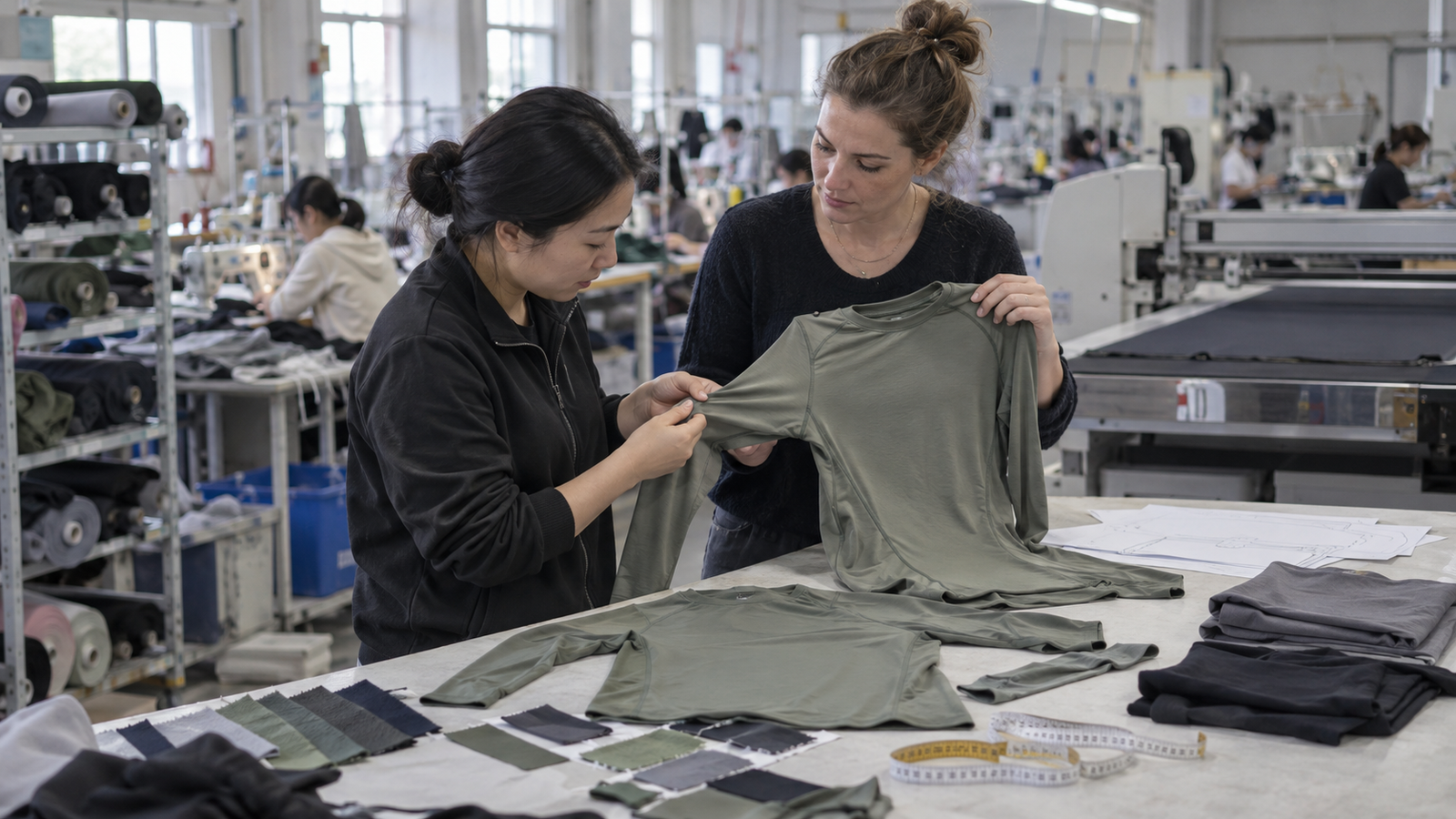
Launching an activewear brand is exciting, but finding high-quality custom yoga shirts can be a massive headache. You might deal with inconsistent sizing, poor fabric elasticity, or delayed shipments that completely ruin your launch schedule. I know exactly how frustrating it is when a production batch looks nothing like the sample you approved.
To source the best custom yoga shirts, you must partner with an experienced OEM/ODM manufacturer that offers premium moisture-wicking fabrics[^1], precise CNC cutting technology, and strict quality control. A reliable B2B supplier will guide you from tech pack and fabric selection all the way to sample approval and bulk manufacturing.
Are you ready to elevate your sportswear line and leave the generic blanks behind? Let's dive into everything you need to know about designing, evaluating, and manufacturing yoga apparel that your customers will actually love to wear.
Why Choose Custom Yoga Shirts for Your Activewear Brand?
Generic, off-the-shelf sportswear simply doesn't cut it anymore in today's market. If your fitness brand sells the exact same basic tops as everyone else, you will definitely struggle to stand out. You need a unique selling point to capture loyal buyers.
Choosing custom yoga shirts allows your brand to control the exact fit, fabric composition, and unique design features. Customization means you can add specific elements like built-in bras, advanced moisture-wicking technology[^2], and personalized branding, ultimately creating a premium product that builds strong customer loyalty.
I always tell my B2B clients that brand identity lives in the fine details. When you opt for custom yoga shirts over standard wholesale blanks, you take total control over your product's destiny. You are no longer at the mercy of whatever the wholesaler happens to have in stock.
Tailored Fit and True Functionality
Yoga and fitness routines require immense flexibility. A generic shirt might look okay on a hanger, but it will probably ride up during a downward dog or chafe during a run. Customizing your apparel allows you to tweak the hemline, adjust the armholes, and select a specific four-way stretch fabric[^3] that moves perfectly with the human body. You can engineer the garment for specific activities, whether that is high-impact cardio or low-impact stretching.
Private Label Branding and Aesthetics
Customization goes far beyond just slapping a logo on a basic shirt. True OEM/ODM manufacturing lets you build a brand from the ground up. You can customize:
- Care labels (heat transfer or woven tags that don't scratch the skin)
- Custom colorways (dyeing fabrics to match your exact Pantone codes)
- Specialized trims (custom zippers, thumb holes, and mesh panels)
- Retail-ready custom packaging
| Feature | Off-the-Shelf Wholesale | Custom Yoga Shirts (OEM/ODM) |
|---|---|---|
| Design Control | None. You buy what is in stock. | 100% control over style, cut, and details. |
| Fabric Quality | Standard, often lower grade. | Premium, certified (OEKO-TEX[^4], SGS). |
| Brand Identity | Weak. Usually just a screen-printed logo. | Strong. Fully customized tags and colors. |
| Size Inclusivity | Limited to standard ratios. | Fully customizable grading rules. |
At Dongguan Pro Sportswear, we have a dedicated 20-person R&D team specifically focused on translating your brand's vision into technical reality. Each of our designers has over ten years of industry experience. If you want an intricate back design or a specific breathable mesh insert, going the custom route is the only way to achieve it flawlessly.
What Fabrics Make the Best Custom Yoga Shirts?
Fabric choice can absolutely make or break your entire activewear line. If you choose a cheap material that traps body heat or pills after a single wash, your customers will demand immediate refunds. Solving this problem means understanding the basics of technical sports textiles.
The best fabrics for custom yoga shirts include nylon-spandex blends for buttery softness and four-way stretch, and polyester-spandex blends for superior moisture-wicking and durability[^5]. High-quality yoga apparel fabrics must be breathable, anti-odor, and certified by international standards like OEKO-TEX to ensure skin safety.
I have seen many start-up brands fail simply because they cut corners on fabric procurement. Yoga and gym workouts involve intense stretching and a lot of sweat. Your custom yoga shirts need to perform flawlessly under pressure, wash after wash.
Nylon vs. Polyester Blends
When you evaluate fabrics, you usually choose between nylon and polyester as your base. Nylon is generally softer, smoother, and feels much more luxurious against the skin.[^6] It is the absolute go-to material for high-end, boutique yoga wear.
Polyester, on the other hand, is highly durable, holds bright colors exceptionally well, and dries incredibly fast.[^7] Both of these base materials need a healthy dose of spandex (elastane)—usually between 10% to 25%[^8]—to provide that essential four-way stretch and shape retention.
Key Performance Features to Evaluate
When choosing fabrics for your custom yoga shirts, you should always look for these critical features:
- Moisture-Wicking: The fabric must pull sweat away from the body to the surface where it can evaporate.
- Breathability: It needs to allow air circulation to keep the wearer cool during hot yoga sessions.
- Colorfastness: The dye shouldn't fade, bleed, or transfer onto other clothes after rigorous washing.
- Skin Safety: Fabrics should be free from harmful chemicals.
In our 15,000㎡ factory, we are obsessed with fabric quality. We only source functional sports fabrics that pass strict RoHS and REACH environmental standards[^9]. Our materials are completely non-toxic, odorless, and perfectly suited for direct, long-term skin contact during exercise. We also support special fabric finishes like anti-bacterial treatments, UV protection, or even custom textures based on your specific market needs.
How Does the Manufacturing Process of Custom Yoga Shirts Work?
Developing a garment from scratch often feels overwhelming if you don't know the exact steps. Delays and miscommunications usually happen when buyers don't understand the production timeline. Let me demystify the factory workflow for you.
The manufacturing process for custom yoga shirts starts with design and tech pack creation, followed by fabric sourcing and pattern making. Next, a prototype sample is created for your approval. Once approved, the factory moves to precision cutting, sewing, rigorous quality control inspections, and final packaging.
Knowing exactly how your custom yoga shirts are made gives you significant leverage in quality control and timeline management. I always walk my B2B clients through this step-by-step process so there are no surprises.
The OEM/ODM Production Workflow
1. Tech Pack Review and Design: We always start with your technical package. This document includes your exact measurements, grading rules, stitching types, and fabric requirements. If you don't have a tech pack, our in-house R&D team can help you build one from scratch based on a reference garment or a simple sketch.
2. Fabric Sourcing and Prototyping: Next, we select the exact fabrics and trims based on your specifications. Then, our sample room produces a first prototype. This is where you test the fit, the stretch, and the overall feel of the shirt. You provide feedback, and we adjust the pattern if necessary.
3. Precision Automated Cutting: Once the final sample is approved, bulk production begins. We utilize industry-leading CNC Auto Cutters[^10] in our facility. This automated cutting machine ensures absolute precision. Every single fabric panel is cut identically, which eliminates human error and drastically speeds up the production timeline. Precise cutting is the secret to consistent sizing across thousands of shirts.
4. Sewing and Construction: Skilled operators use specialized sewing machines to assemble the garments. For custom yoga shirts, we rely heavily on flatlock stitching. Flatlock seams lay completely flat against the skin, which prevents chafing during repetitive movements.[^11] We also pay close attention to splicing and hemming details to ensure there are no rough edges.
Testing and Lead Times
With our monthly production capacity of 200,000 units, we can handle both small customized batches and massive wholesale orders. However, I always advise brands to build in enough time for sample revisions. Never rush the prototyping phase; a perfect sample is the foundation of a flawless bulk order. Once bulk production finishes, every batch goes through rigorous testing, including stretch recovery tests and wash tests[^12], to ensure the shirts won't lose their shape after months of wear.
How to Evaluate a Manufacturer for Custom Yoga Shirts?
Partnering with the wrong factory can completely ruin your business reputation. You might face frustrating language barriers, terrible craftsmanship, or even fake safety certifications. You need a bulletproof way to vet potential suppliers before wiring any money.
To evaluate a manufacturer for custom yoga shirts, verify their industry experience, production capacity, and strict quality control systems. A reliable B2B supplier will possess legitimate certifications like SGS, ISO9001, and OEKO-TEX, and will have an in-house R&D team alongside advanced machinery like CNC cutters.
I get emails every single week from brands that were burned by trading companies posing as actual factories. When you are buying custom yoga shirts in bulk, you must deal directly with a verified, experienced manufacturer to protect your margins and your quality.
Key Metrics for Supplier Selection
Here is exactly what you should look for during your procurement evaluation:
- Facility Size and Workforce Capacity: A legitimate factory operates with scale. For example, our Purong Sports facility spans 15,000㎡ and employs 150 dedicated staff members. This kind of scale guarantees stable production and reliable delivery times, even during peak seasons.
- Quality Control (QC) Protocols: You need to ask how they inspect their garments. We run multi-round quality checks. This includes detailed visual inspections, dimensional measuring, stretch functionality testing, and seam strength testing. Our strict Standard Operating Procedure (SOP) ensures no deformed or loose-fitting shirts ever leave our loading dock.
- Documented Certifications: Always treat factory certifications as documents you must verify yourself. Ask for their recent SGS, TüV Rheinland, CE, or ISO9001 audit reports. We proudly share these with our clients because they prove our compliance with strict international safety, environmental, and quality standards.
Communication and R&D Capabilities
Does the factory have its own design team, or are they just blindly copying patterns? Can they quickly respond to shifting market trends? We employ 20 R&D specialists who actively study sportswear trends. This means we don't just sew fabric together; we help you engineer a fundamentally better product.
When evaluating a supplier for your custom yoga shirts, their ability to offer smart solutions—not just take orders—is the ultimate green light. You want a partner who will tell you if a certain fabric won't work well with a specific stitching style, saving you time and money before production even begins.
Frequently Asked Questions
What is the minimum order quantity (MOQ) for custom yoga shirts?
MOQs vary depending on the complexity of the design and the custom fabric required. Generally, we offer flexible MOQs to support both growing brands and established wholesalers. Contact us with your tech pack, and we will provide a specific MOQ for your project.
How long does it take to get a sample for custom yoga shirts?
Typically, prototype sampling takes about 7 to 14 days, depending on fabric availability and design complexity. Once the tech pack is finalized and materials are sourced, our R&D team works quickly to get the first physical sample into your hands for review.
Can I customize the care labels and packaging for my yoga shirts?
Yes, absolutely. We offer full private label services. You can customize heat-transfer logos, woven tags, hangtags, and even specialized retail packaging. This ensures your custom yoga shirts arrive completely ready for retail or e-commerce fulfillment.
Are your custom yoga shirts made from eco-friendly materials?
Yes. All our sports fabrics pass RoHS and REACH environmental standards. We also offer specific eco-friendly and sustainable fabric options upon request. Our materials are certified safe, non-toxic, and friendly to the skin.
Conclusion
Sourcing the right apparel doesn't have to be a guessing game. By focusing on premium moisture-wicking fabrics, precise manufacturing techniques, and strict quality control, you can create a product that truly stands out. Remember that finding a reliable OEM/ODM partner is just as important as the design itself. When you invest in high-quality custom yoga shirts, you invest directly in your brand's long-term reputation and customer loyalty.
If you are an international brand, distributor, or importer looking for a certified, experienced manufacturer to bring your activewear vision to life, we are here to help. Reach out to Justin at justin@purongsports.com to discuss your next sportswear project today.
[^1]: "Advancements in functional smart and wearable textiles for ...", https://pmc.ncbi.nlm.nih.gov/articles/PMC12716241/. Textile research describes moisture-management fabrics as materials designed to transport perspiration away from the skin toward the fabric surface, supporting the use of wicking textiles in exercise apparel. Evidence role: mechanism; source type: research. Supports: A neutral textile source should explain that moisture-wicking fabrics move liquid sweat away from the skin to the outer fabric surface, where evaporation can occur.. Scope note: This supports the functional principle of moisture-wicking fabrics generally, not the performance of any specific manufacturer's fabric. [^2]: "characterizing the effects of fabric - Open Research Oklahoma", https://openresearch.okstate.edu/server/api/core/bitstreams/e15b46c1-47d0-4487-a157-e523a1aebf9c/content. Textile testing standards and research literature treat moisture management as a measurable property of performance fabrics, lending context to its use as a functional feature in activewear. Evidence role: general_support; source type: institution. Supports: A standards or textile-testing source should show that moisture management is a recognized measurable property in performance apparel.. Scope note: This establishes moisture management as an accepted testing category, but it does not prove that every garment marketed as moisture-wicking performs equally well. [^3]: "Advancements in functional smart and wearable textiles for ...", https://pmc.ncbi.nlm.nih.gov/articles/PMC12716241/. Research on stretch textiles indicates that elastomeric fibers can improve garment extensibility, fit, and recovery, providing a technical basis for using four-way stretch fabrics in movement-intensive apparel. Evidence role: mechanism; source type: paper. Supports: A textile or apparel ergonomics paper should explain that elastomeric stretch fabrics improve fit, freedom of movement, and recovery in body-movement garments.. Scope note: The evidence is about stretch textiles in apparel generally and may not test yoga shirts specifically. [^4]: "Oeko-Tex", https://en.wikipedia.org/wiki/Oeko-Tex. OEKO-TEX STANDARD 100 is described as a textile certification system in which components are tested for selected harmful substances, which supports its relevance to claims about skin-contact textile safety. Evidence role: definition; source type: institution. Supports: An official or neutral standards source should define OEKO-TEX STANDARD 100 as a certification for textiles tested for harmful substances.. Scope note: Certification scope depends on the specific standard, product class, and valid certificate; it is not a blanket guarantee of all possible safety attributes. [^5]: "Super-Hydrophobicity of Polyester Fabrics Driven by ... - PMC", https://pmc.ncbi.nlm.nih.gov/articles/PMC9957304/. Textile literature characterizes polyester as a durable, hydrophobic synthetic fiber and elastane as an elastic fiber, supporting the common use of polyester-spandex blends in stretch performance apparel. Evidence role: general_support; source type: paper. Supports: A textile science source should support the general properties of polyester and elastane blends in performance apparel.. Scope note: The exact wicking and durability of a finished fabric also depend on yarn structure, knit construction, and chemical finishing. [^6]: "Advancements in functional smart and wearable textiles for ...", https://pmc.ncbi.nlm.nih.gov/articles/PMC12716241/. Textile references commonly describe nylon as a smooth synthetic fiber used where softness, light weight, and abrasion resistance are desired, giving context to its frequent selection for next-to-skin apparel. Evidence role: general_support; source type: education. Supports: A textile education or research source should compare nylon and polyester properties relevant to hand feel and apparel comfort.. Scope note: Hand feel varies with yarn, knit structure, finishing, and fabric weight, so the source would support the general comparison rather than every nylon fabric. [^7]: "Super-Hydrophobicity of Polyester Fabrics Driven by Functional ... - PMC", https://pmc.ncbi.nlm.nih.gov/articles/PMC9957304/. Textile education sources describe polyester as a strong, resilient, hydrophobic fiber, characteristics that help explain its durability and relatively quick drying in apparel fabrics. Evidence role: general_support; source type: education. Supports: A textile reference should support polyester's durability, hydrophobic quick-drying behavior, and common use in dyed apparel.. Scope note: Color retention depends on dye chemistry and finishing processes, so the evidence is stronger for fiber properties than for any specific dyed garment. [^8]: "Impact of the Elastane Percentage on the Elastic Properties of ...", https://pmc.ncbi.nlm.nih.gov/articles/PMC9570736/. Studies of elastane-containing knitted fabrics show that elastane proportion affects stretch, fit, and recovery behavior, providing context for the use of notable spandex percentages in activewear fabrics. Evidence role: general_support; source type: paper. Supports: A textile paper should show that elastane content influences stretch and recovery in knitted apparel fabrics and give context for common activewear percentages.. Scope note: A cited study may not validate the exact 10% to 25% range for all yoga shirts, because optimal content depends on fabric construction and intended compression. [^9]: "EU REACH", https://www.trade.gov/eu-reach. The European Union's REACH framework regulates the registration, evaluation, authorization, and restriction of chemical substances, including substances that may be present in finished articles such as textiles. Evidence role: definition; source type: government. Supports: A government or EU institutional source should define REACH and explain that it regulates chemical substances, including those in articles such as textiles.. Scope note: REACH compliance addresses regulated chemical obligations; it does not by itself demonstrate broader environmental sustainability or garment performance. [^10]: "A Study on the Cost-Effectiveness of a Semi- Automated ...", https://www.academia.edu/42003629/A_Study_on_the_Cost_Effectiveness_of_a_Semi_Automated_Cutting_Process_at_a_Garment_Manufacturing_Company. Research on computerized cutting in apparel manufacturing associates automated cutting systems with improved repeatability and dimensional accuracy of cut fabric components. Evidence role: mechanism; source type: paper. Supports: A garment manufacturing study should support that automated or computerized cutting improves cutting accuracy, repeatability, or efficiency compared with manual processes.. Scope note: The source would support the manufacturing principle generally and would not verify the performance of the specific machines used by the company. [^11]: "Flatlock Stitching in Activewear Types, Benefits, and ...", https://www.spftex.com/news/flatlock-stitching-in-activewear-types-benefits-and-manufacturing-applications/. Apparel comfort research identifies seam construction and seam bulk as factors affecting skin friction and wearer comfort, supporting the rationale for using flatter seams in close-fitting sportswear. Evidence role: mechanism; source type: research. Supports: A textile/apparel ergonomics source should explain that seam bulk, placement, and construction affect friction and comfort in close-fitting garments.. Scope note: The evidence supports the comfort mechanism; actual chafing reduction depends on seam quality, fabric, fit, and activity conditions. [^12]: "D3107 Standard Test Methods for Stretch Properties of ...", https://store.astm.org/d3107-07r19.html. Textile standards bodies publish methods for evaluating properties such as fabric stretch, recovery, and dimensional change after laundering, supporting the use of these tests in activewear quality control. Evidence role: general_support; source type: institution. Supports: A standards organization source should show that textile standards exist for measuring stretch/recovery and dimensional change after laundering.. Scope note: The existence of standardized tests supports the relevance of the methods but does not confirm that any particular factory applies them correctly.