
Why Do Girls Wear Short Shorts? Unraveling the Mystery

Many people wonder why athletic short shorts are a popular choice, often seeing them as merely a fashion statement. However, this perspective overlooks the thoughtful design and functional requirements that drive their development. If you're a brand owner or designer trying to understand this trend, neglecting these core drivers can lead to missed opportunities in a dynamic market.
Women choose athletic short shorts primarily for their unparalleled freedom of movement, superior temperature regulation during intense activity, and lightweight comfort, which are meticulously engineered through advanced material science and ergonomic design to meet diverse performance needs while also aligning with contemporary athleisure trends.
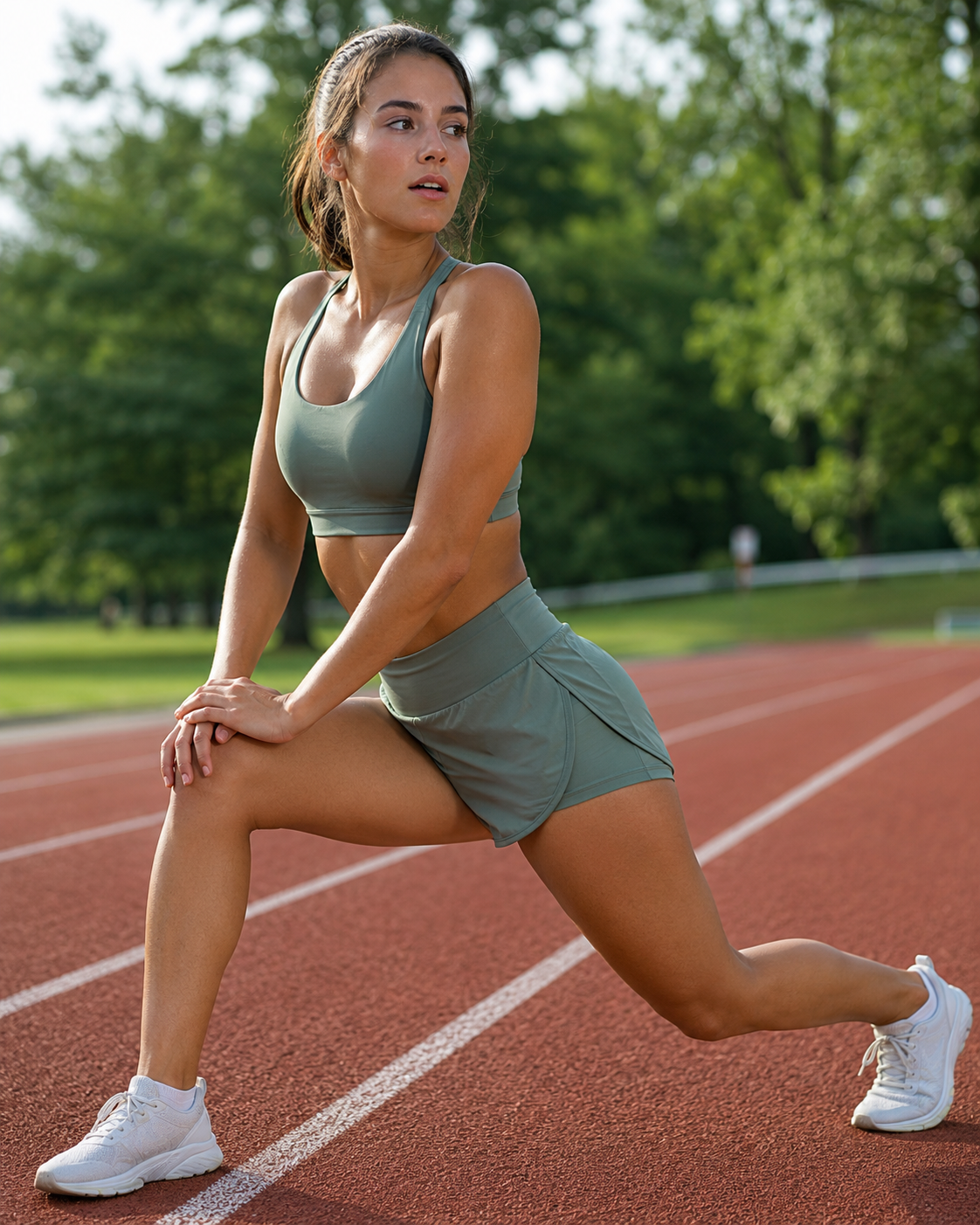
Beyond simple aesthetics, the reasons behind the widespread adoption of women's athletic short shorts are rooted in a complex interplay of functional design, performance demands, and evolving market trends. Let's delve into the specific aspects that make these garments a staple in active wardrobes.
What Functional Advantages Do Athletic Short Shorts Offer Athletes?
Are you wondering what makes athletic short shorts a go-to for many active women? Without understanding their core functional benefits, it's easy to misinterpret their popularity or overlook crucial design elements. For brands, focusing solely on surface-level appeal means missing the engineering and user experience that truly drive purchasing decisions.
Athletic short shorts provide significant functional advantages including unrestricted range of motion[^1], effective moisture management for dryness[^2], and optimal ventilation to keep the wearer cool[^3], all of which contribute to enhanced comfort and performance during various physical activities.
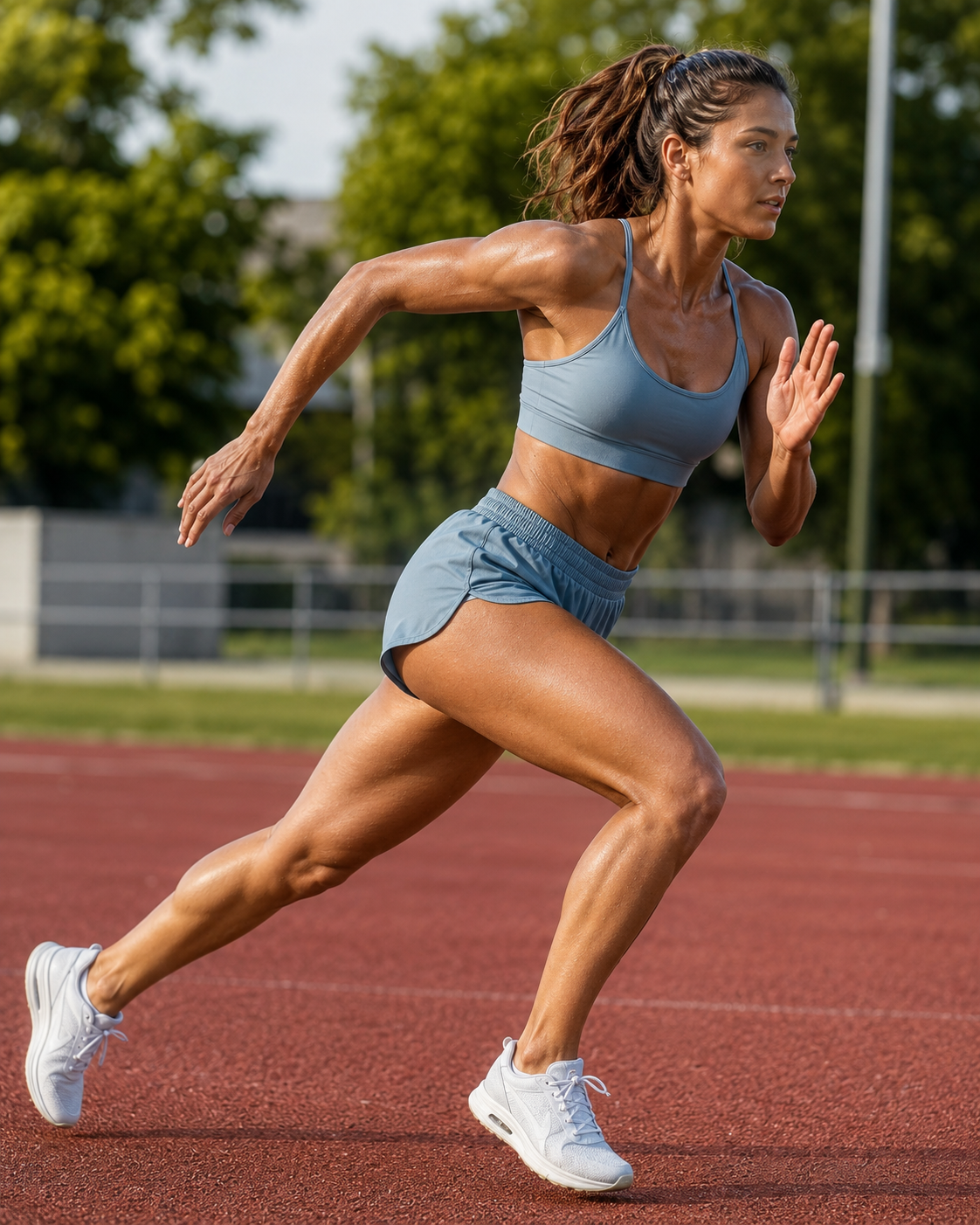
When my team and I consult with brand clients, one of the first areas we explore is the specific performance needs of their target audience. For activewear, the functional benefits of a garment are paramount. Athletic short shorts, despite their seemingly simple construction, are engineered with several key advantages that make them indispensable for a wide range of athletic pursuits, from high-intensity training to casual jogs and yoga.
Unrestricted Movement and Flexibility
The primary functional benefit of athletic short shorts is the complete freedom of movement they offer. Unlike longer pants or leggings, shorts minimize fabric interference around the knees and lower thighs. This is especially crucial for activities requiring a full range of motion, such as lunges, squats, high kicks in martial arts, or deep stretches in yoga[^4].
- Ergonomic Cuts: Manufacturers like us employ advanced pattern-cutting techniques to create designs that flow with the body's natural contours. This often involves strategic seam placement and sometimes gusseted crotches to prevent fabric pulling and chafing during dynamic movements.
- 4-Way Stretch Fabrics: The integration of elastane or spandex into fabric blends (e.g., polyester-spandex, nylon-spandex) allows the garment to stretch significantly in all directions.[^5] This stretch capability ensures that the shorts move seamlessly with the wearer, accommodating every bend and extension without restriction.
- Minimalist Design: The very nature of short shorts means less fabric, which inherently translates to less resistance against the body. This minimalist approach supports fluid, uninhibited motion, which is vital for athletic performance.
Optimal Temperature Regulation
Staying cool and dry is essential for comfort and performance during physical exertion. Athletic short shorts excel in this area due to their design and material properties.
- Enhanced Airflow: With less fabric covering the legs, there's significantly more exposure to air, allowing for better ventilation and heat dissipation. This natural airflow helps to lower body temperature and prevent overheating, which is a common concern during strenuous workouts or in warm environments.
- Moisture-Wicking Technologies: Modern athletic short shorts are typically made from advanced synthetic fabrics engineered to draw sweat away from the skin's surface and rapidly disperse it for quick evaporation.[^6] This moisture-wicking action prevents the fabric from becoming heavy and clinging, keeping the wearer dry and comfortable. In my experience, clients often prioritize specific wicking properties, and we work to source fabrics that meet these exact requirements.
- Lightweight Construction: The light nature of these garments further contributes to temperature regulation. Heavy fabrics can trap heat, but the often feather-light construction of short shorts minimizes this effect, supporting the body's natural cooling mechanisms.
Reduced Chafing and Irritation
While some might worry about chafing with shorter garments, well-designed athletic short shorts incorporate features to mitigate this common issue, especially when compared to longer apparel that can bunch or rub in certain areas.
- Flatlock Seams: High-quality athletic short shorts utilize flatlock stitching, which creates a smooth, flat seam that lies flush against the skin[^7]. This significantly reduces the potential for irritation and chafing, even during repetitive movements over long periods.
- Liner Shorts: Many athletic short shorts come with an integrated inner liner, often made from a softer, moisture-wicking material. This liner acts as a protective barrier, preventing skin-on-skin friction and providing additional support and coverage.[^8] This 2-in-1 design is frequently requested by brands looking to offer enhanced comfort and versatility.
- Smooth Fabric Finishes: The selection of fabrics with a smooth, low-friction surface also plays a critical role in preventing skin irritation. This is a subtle but important detail that contributes significantly to overall wearer comfort.
These functional benefits are not accidental; they are the result of deliberate design choices and material selection, all aimed at enhancing the athletic experience. For brands, understanding and prioritizing these aspects is key to developing successful and highly regarded athletic short shorts.
How Do Design and Material Science Shape Modern Athletic Short Shorts?
Have you ever considered the complex engineering behind a seemingly simple pair of athletic short shorts? Many perceive them as straightforward garments, but this overlooks the sophisticated material science and meticulous design principles at play. For brand owners, underestimating this complexity can lead to underdeveloped products that fail to meet consumer expectations for performance and durability.
Modern athletic short shorts are meticulously shaped by advanced material science, utilizing specialized fabric blends for stretch, moisture-wicking, and durability, combined with precision pattern cutting and ergonomic construction techniques to optimize for specific activities, body types, and aesthetic preferences.
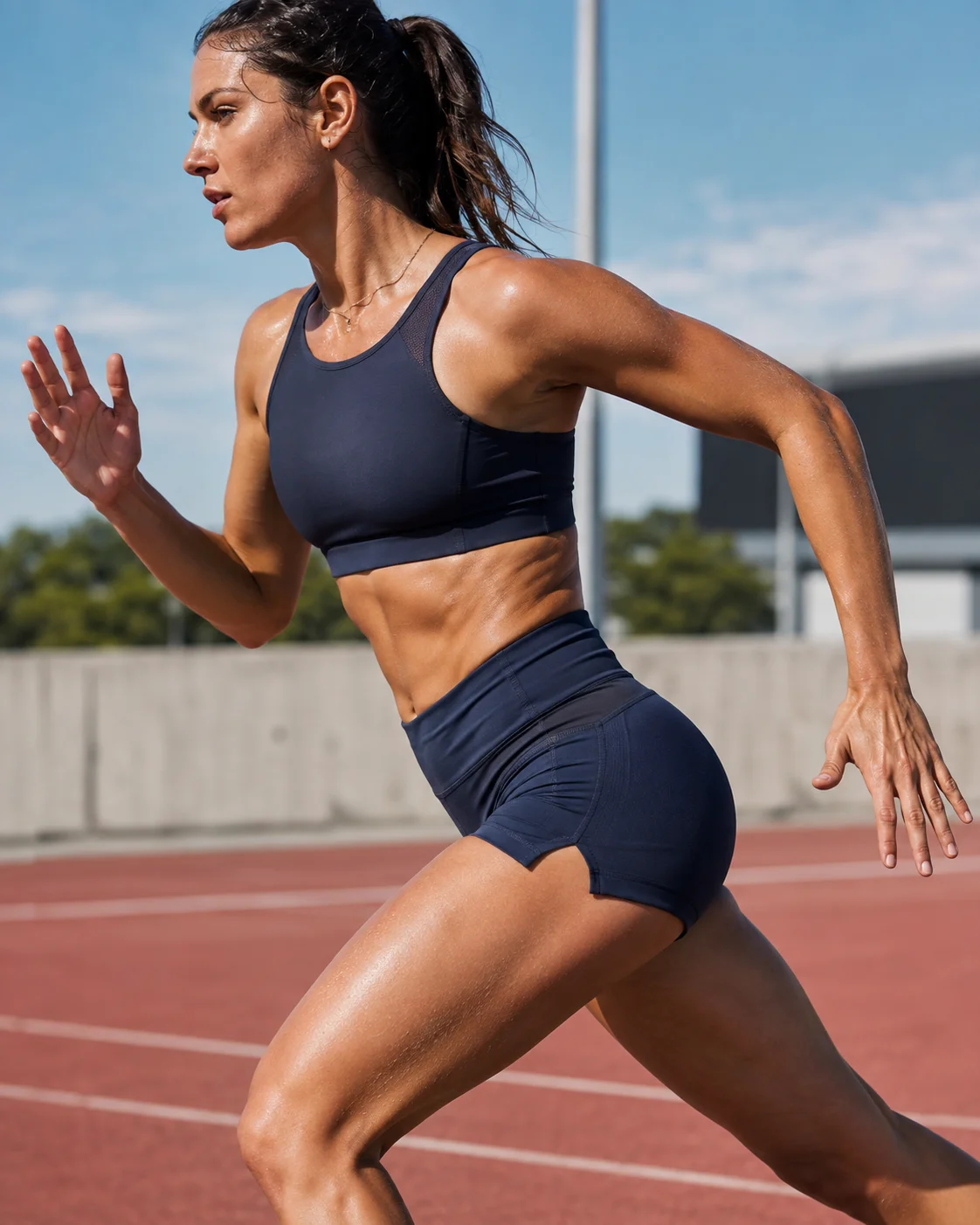
When my colleagues and I discuss new product lines with our clients, the conversation quickly moves beyond just "what looks good" to "what works best." The design and material science behind athletic short shorts are far more intricate than most realize, driven by the need to optimize for performance, comfort, and increasingly, sustainability. We frequently guide brands through the nuances of selecting the right fabrics and construction methods to bring their vision to life.
The Role of Fabric Technology
The heart of any high-performance athletic garment lies in its fabric. For athletic short shorts, textile innovations are constantly pushing the boundaries of what's possible, influencing everything from elasticity to breathability and even environmental impact.
- Blended Fabrics for Performance: The most common fabrics for athletic short shorts are blends of synthetic fibers like polyester, nylon, and spandex (Lycra).[^9]
- Polyester: Known for its durability, wrinkle resistance, and excellent moisture-wicking properties. It's often used as the primary component for its quick-drying capabilities.
- Nylon: Offers superior strength, abrasion resistance, and a smooth, soft feel, making it ideal for high-wear areas or for a more luxurious touch.
- Spandex (Elastane/Lycra): Crucial for providing the necessary stretch and recovery, ensuring the shorts maintain their shape and provide compression or flexibility without bagging out. The right percentage of spandex is critical for balancing support and freedom of movement.
- Specialized Finishes: Beyond the fiber composition, fabrics can be treated with various finishes to enhance functionality. This includes antimicrobial treatments to prevent odor, UV protection for outdoor activities, and water-repellent coatings for specific sports.[^10]
- Sustainable Materials: A growing trend among brands, and a frequent topic in our client discussions, is the incorporation of sustainable materials. This includes recycled polyester made from plastic bottles, organic cotton blends, and innovative bio-based synthetics. These choices reflect a broader consumer demand for eco-friendly products without compromising performance.
Precision in Pattern Cutting and Construction
The way a fabric is cut and sewn profoundly impacts the final garment's fit, comfort, and performance. For athletic short shorts, this involves meticulous attention to detail to accommodate dynamic movements and diverse body shapes.
- Ergonomic Patterning: Unlike standard clothing, athletic short shorts are patterned to support the body in motion. This means considering how the fabric will stretch and move during activities like running, jumping, or bending. Computer-aided design (CAD) and advanced CNC Auto Cutters, which we utilize in our factory, allow for incredibly precise cuts that minimize waste and maximize fit accuracy.
- Waistband Design: The waistband is a critical component. It needs to be comfortable, stay in place without digging in, and provide adequate support. Options range from wide, flat elastic waistbands that distribute pressure evenly, to high-rise designs for extra coverage and support, and even adjustable drawstrings. The material used for the waistband often differs from the main body fabric to optimize comfort and hold.
- Seam Construction: As mentioned earlier, flatlock seams are preferred to prevent chafing. But the type of stitching (e.g., zig-zag for stretch, reinforced bar tacks at stress points) is also crucial for durability, especially in areas subjected to high tension.
- Pocket Integration: Pockets in athletic short shorts are often designed with performance in mind—think small, secure zip pockets for keys or cards, or mesh pockets that don't add bulk. These details show a deep understanding of the athlete's needs.
Diverse Styles and Silhouettes
The market for athletic short shorts is incredibly diverse, offering a range of styles each designed with specific activities or aesthetic preferences in mind.
- Running Shorts: Often feature a dolphin hem or split sides for maximum leg movement, and an internal brief or compression liner.
- Biker Shorts/Cycling Shorts: Longer, often mid-thigh or knee-length, designed for compression and support, typically made from a thicker, more compressive fabric.
- Yoga Shorts: Tend to have a soft, comfortable feel, often with a high, wide waistband for flexibility and coverage during poses.
- Gym/Training Shorts: A broader category encompassing various lengths and fits, often focusing on durability and versatile movement.
- Skorts: A hybrid design combining shorts with an outer skirt panel, offering both coverage and a feminine aesthetic.
Each of these styles represents a deliberate set of design choices that cater to different needs, reflecting a mature product category that balances technical innovation with evolving consumer preferences. For brands, understanding these distinctions is paramount for successful product development and market segmentation.
What Market Trends Are Driving Demand for Athletic Short Shorts?
Are you a brand trying to capture a larger share of the activewear market? It's easy to get lost in product specifications, but understanding the underlying market trends that fuel the demand for athletic short shorts is crucial for strategic growth. Without this insight, even the most technically advanced product might miss its mark.
Demand for athletic short shorts is largely driven by the pervasive athleisure trend, where performance wear seamlessly transitions into everyday fashion, alongside a consumer preference for versatility, comfort, and personalized style that aligns with an increasingly active and health-conscious lifestyle.
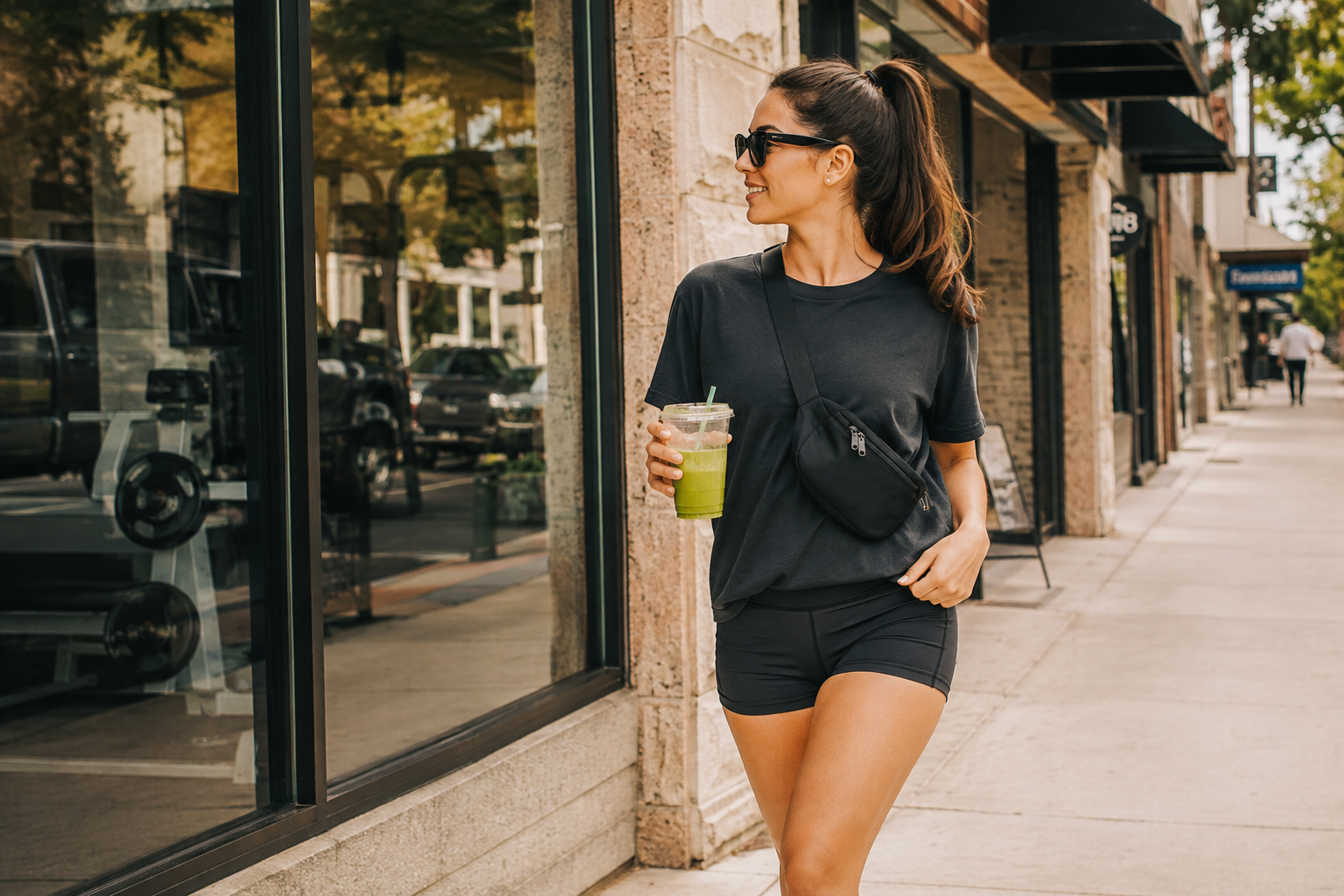
In my regular discussions with brand clients, we frequently analyze market shifts to identify promising product opportunities. The sustained and growing demand for athletic short shorts isn't just about functional utility; it's also deeply intertwined with broader cultural and lifestyle trends. Brands that can effectively tap into these trends by balancing performance with current aesthetics are the ones that succeed.
The Athleisure Phenomenon
One of the most significant forces driving the demand for athletic short shorts is the athleisure trend.[^11] This movement has blurred the lines between gym wear and casual everyday clothing, making activewear an acceptable—and often preferred—choice for a variety of non-athletic settings.
- From Gym to Street: Consumers now expect their activewear to be stylish enough to wear outside the gym, whether for running errands, meeting friends, or simply lounging at home. Athletic short shorts fit perfectly into this category, offering a comfortable and fashionable option that easily pairs with casual tops, hoodies, or jackets. I've seen firsthand how brands are increasingly requesting designs that can bridge this gap, focusing on color palettes and silhouettes that look good both on and off the court.
- Comfort as a Priority: The shift towards more relaxed dress codes, accelerated by remote work and a general prioritization of comfort, has made athleisure staples like short shorts even more appealing. People want clothing that feels good all day, and performance fabrics offer superior comfort compared to traditional casual wear.
- Influencer Culture and Social Media: Social media platforms and fitness influencers play a substantial role in popularizing athleisure trends.[^12] When prominent figures showcase athletic short shorts as part of their daily outfits or workout routines, it creates aspiration and drives consumer interest. Brands leverage this by creating visually appealing products that perform well and photograph beautifully.
Versatility Across Activities and Lifestyles
Modern consumers seek versatility in their wardrobes, and athletic short shorts deliver on this by being suitable for a vast array of activities.
- Multi-Sport Adaptability: While some designs are specialized (e.g., running shorts), many athletic short shorts are designed to be general-purpose, suitable for gym workouts, yoga, hiking, cycling, or even just lounging. This versatility means consumers can get more use out of a single item, which is a key selling point.
- Seasonal Appeal: While often associated with warmer weather, athletic short shorts can be styled for year-round use, especially when paired with compression leggings or knee-high socks in cooler temperatures, extending their market viability.
- Demographic Expansion: The demand for athletic short shorts has expanded beyond a narrow demographic of elite athletes to include a broader population that embraces an active or health-conscious lifestyle, regardless of their athletic prowess. This expanded market means more diverse body types and preferences, which in turn drives demand for a wider range of sizes, fits, and styles.
Customization and Brand Identity
In a competitive market, brands are constantly looking for ways to stand out. Athletic short shorts offer numerous opportunities for customization and the expression of brand identity.
- Color, Print, and Texture: From classic solids to bold prints, tie-dye, and innovative fabric textures, the aesthetic possibilities are endless. Brands can use these elements to align with seasonal trends, target specific demographics, or reinforce their unique brand image. We often work with clients on developing custom prints and colorways that resonate with their target market.
- Branding Elements: Logo placement, reflective details, unique waistband designs, and custom hardware (e.g., drawstring tips, zipper pulls) all contribute to a product's distinctiveness. These small details can significantly impact how a brand is perceived and how a product performs in the market.
- Focus on Inclusivity: A growing trend, particularly relevant to athletic short shorts, is the demand for inclusive sizing and body-positive marketing. Brands that offer a wide range of sizes and represent diverse body types in their campaigns tend to resonate more strongly with modern consumers. This means designing shorts that fit well and flatter various figures, moving beyond a "one-size-fits-all" mentality.
By understanding these powerful market trends, brands can make more informed decisions about product development, design, and marketing, ensuring their athletic short shorts not only perform well but also connect deeply with the evolving preferences of their target audience.
Frequently Asked Questions
Are athletic short shorts only for specific sports?
No, athletic short shorts are incredibly versatile. While some designs are optimized for particular activities like running or yoga, many are general-purpose, suitable for gym workouts, hiking, cycling, or casual wear. Their design balances freedom of movement with comfort, making them adaptable for a wide array of physical activities and daily routines.
How do you ensure comfort and avoid chafing in short shorts?
Comfort and anti-chafing are achieved through specific design choices. This includes using smooth, moisture-wicking fabrics, implementing flatlock seams that lie flush against the skin, and often integrating soft inner liners or briefs to minimize skin-on-skin friction. Advanced pattern cutting also ensures the garment moves with the body without bunching or rubbing.
What are the latest fabric innovations for athletic short shorts?
Recent fabric innovations focus on sustainability and enhanced performance. This includes the widespread use of recycled polyesters and nylons, bio-based synthetics, and blends that offer superior moisture-wicking, quick-drying properties, and four-way stretch. There's also development in fabrics with improved compression, UV protection, and antimicrobial treatments for odor control.
How can brands differentiate their athletic short shorts in a crowded market?
Brands can differentiate their athletic short shorts through innovative design (unique cuts, patterns, and pocket solutions), premium fabric selection (sustainable, high-performance materials), strong brand storytelling, and inclusive sizing and marketing. Focusing on niche markets or specific functional benefits, like extreme compression or ultra-light designs, can also create a unique selling proposition.
Conclusion
Understanding why women choose athletic short shorts goes far beyond surface-level observations. It’s about appreciating the intricate balance of functional design, advanced material science, and dynamic market trends that shape these garments. From providing unrestricted movement and superior temperature regulation to fitting seamlessly into the athleisure lifestyle, athletic short shorts are a testament to thoughtful product development. For brands, recognizing these drivers is crucial for creating products that resonate with consumer needs and capture market opportunities.
If your brand is looking to develop a new line of athletic short shorts or other sportswear that stands out in a competitive market, understanding these nuances is your first step. We specialize in helping brands navigate these complexities, offering expert OEM/ODM solutions from concept to mass production. Let's discuss how we can bring your vision for high-performance, market-ready athletic apparel to life. Reach out today to start a conversation about your product development needs.
[^1]: "Evaluation of a lower-body compression garment", https://pubmed.ncbi.nlm.nih.gov/12875311/. Peer-reviewed research on functional sportswear design links garment fit, elasticity, and reduced mechanical restriction to improved freedom of movement during exercise; this supports the design rationale but may not test women’s short shorts specifically. Evidence role: mechanism; source type: paper. Supports: A source should explain how garment construction, stretch, and reduced fabric interference can affect range of motion in athletic movements.. Scope note: Contextual support rather than direct product-specific proof. [^2]: "Thermal and Moisture Management Properties of Knitted Fabrics for ...", https://pmc.ncbi.nlm.nih.gov/articles/PMC12029065/. Textile-science studies describe moisture-management fabrics as transporting liquid sweat through capillary action and promoting evaporation, which can improve perceived dryness during exercise. Evidence role: mechanism; source type: paper. Supports: A source should support the role of moisture-wicking textiles in transporting sweat away from the skin and improving dryness perception.. [^3]: "Clothing and thermoregulation during exercise - PubMed - NIH", https://pubmed.ncbi.nlm.nih.gov/14606923/. Research on exercise thermoregulation indicates that clothing coverage and ventilation influence convective and evaporative heat loss, supporting the claim that less restrictive, better-ventilated garments can aid cooling. Evidence role: mechanism; source type: paper. Supports: A source should explain how lower clothing coverage and increased air exchange can aid convective and evaporative heat loss.. Scope note: The evidence supports the physiological mechanism rather than proving that all short-short designs provide optimal cooling. [^4]: "Influence of Different Load Conditions on Lower Extremity Biomechanics ...", https://pmc.ncbi.nlm.nih.gov/articles/PMC9311947/. Biomechanical studies of squats, lunges, kicking, and flexibility-based exercise report large lower-limb joint excursions, supporting the article’s claim that these activities demand substantial range of motion. Evidence role: general_support; source type: paper. Supports: A source should document that these activities require substantial hip, knee, or lower-limb mobility.. Scope note: The evidence supports the movement demands, not the superiority of any specific garment. [^5]: "Impact of the Elastane Percentage on the Elastic Properties of ...", https://pmc.ncbi.nlm.nih.gov/articles/PMC9570736/. Textile references describe elastane, also known as spandex, as a highly elastic synthetic fiber used in blends to provide stretch and recovery in fitted garments. Evidence role: definition; source type: education. Supports: A source should define elastane/spandex and describe its elastic stretch and recovery properties in textile blends.. [^6]: "The effects of a moisture-wicking fabric shirt on the physiological and ...", https://pubmed.ncbi.nlm.nih.gov/24768089/. Studies of synthetic sportswear textiles show that fiber structure, knit geometry, and finishes can be engineered to transport sweat away from the skin and increase evaporation rate. Evidence role: mechanism; source type: paper. Supports: A source should explain how synthetic sportswear fabrics are engineered for moisture transport and faster drying.. [^7]: "The impact of knitted linked seams on comfort and friction perception", https://pubmed.ncbi.nlm.nih.gov/39210587/. Apparel-construction references define flatlock stitching as a seam formation in which fabric edges are joined to create a relatively flat, low-profile seam, supporting its use in close-fitting sportswear. Evidence role: definition; source type: education. Supports: A source should explain what flatlock stitching is and why it creates a low-profile seam in garments.. Scope note: This supports the construction feature but not necessarily a quantified reduction in irritation for every wearer. [^8]: "Decreasing the tactile interaction between skin, sweat and clothing ...", https://pmc.ncbi.nlm.nih.gov/articles/PMC4580857/. Dermatology and sportswear research identifies repeated skin friction, often worsened by moisture, as a mechanism of chafing; a fabric liner can plausibly function as a barrier to reduce direct skin-on-skin rubbing. Evidence role: mechanism; source type: paper. Supports: A source should support the role of fabric barriers in reducing skin-on-skin friction and irritation during repetitive movement.. Scope note: The source would support the mechanism, not prove that every integrated liner prevents chafing. [^9]: "Advancements in functional smart and wearable textiles for sportswear ...", https://pmc.ncbi.nlm.nih.gov/articles/PMC12716241/. Textile education sources commonly identify polyester, nylon, and elastane/spandex as major fibers in sportswear, reflecting their durability, strength, moisture-management potential, and stretch properties. Evidence role: general_support; source type: education. Supports: A source should identify polyester, nylon, and elastane/spandex as widely used fibers in sportswear because of durability, strength, moisture behavior, and elasticity.. Scope note: This supports common sportswear material use generally rather than providing sales-share data for women’s short shorts specifically. [^10]: "Antimicrobial textile: recent developments and functional ... - PMC", https://pmc.ncbi.nlm.nih.gov/articles/PMC8275915/. Reviews of functional textile finishing describe antimicrobial agents, ultraviolet-protective treatments, and durable water-repellent coatings as established methods for adding performance properties to apparel fabrics. Evidence role: general_support; source type: paper. Supports: A source should document functional textile finishes used for odor control, UV protection, and water repellency.. [^11]: "An empirical study of U.S. consumer purchase intention of casual ...", https://rex.libraries.wsu.edu/esploro/outputs/graduate/An-empirical-study-of-US-consumer/99900525075801842. Consumer research and industry analyses describe athleisure as the blurring of athletic and casual dress, a shift associated with expanded everyday use of activewear; this contextualizes demand for athletic short shorts. Evidence role: historical_context; source type: research. Supports: A source should show that athleisure has increased the everyday use and market relevance of activewear.. Scope note: The evidence would support the broader athleisure context, not isolate short shorts as a standalone product category. [^12]: "benefits for the fitness influencer, user health, and the endorsed brand", https://pmc.ncbi.nlm.nih.gov/articles/PMC11145997/. Studies of influencer marketing find that social media personalities can shape fashion attitudes and purchase intentions, including in fitness and apparel contexts, supporting the claim that influencers help diffuse athleisure styles. Evidence role: general_support; source type: paper. Supports: A source should support the relationship between social media influencers, fashion diffusion, and consumer interest in activewear or athleisure.. Scope note: The evidence supports influencer effects in related apparel contexts rather than proving causation for every athleisure purchase.