
Who is the biggest sportswear manufacturer?
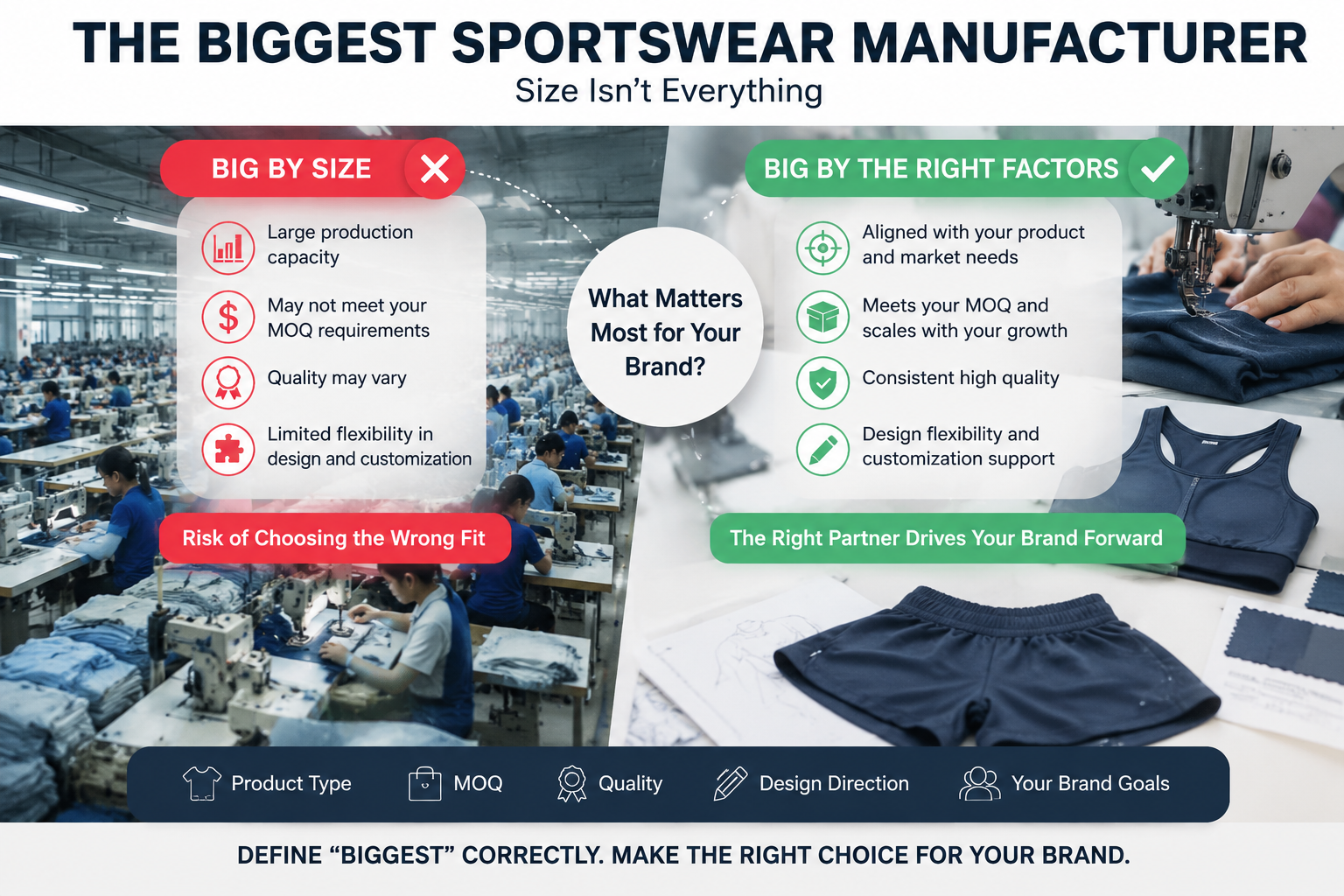
The biggest sportswear manufacturer is not always easy to name, and that creates confusion for brand owners planning new activewear lines. If you choose based only on size, you may miss the supplier that fits your product, MOQ, quality needs, and design direction. The better answer starts with defining “biggest” correctly.
The biggest sportswear manufacturer depends on how you measure it. By global sportswear brand revenue, Nike is usually considered the largest sportswear company[^1]. But Nike mainly works through contract factories[^2]. Among actual OEM/ODM apparel manufacturers, large suppliers such as Shenzhou International, Eclat Textile, and Makalot[^3] are often discussed in buyer evaluations.
Size matters, but it is only one part of supplier selection. In my work with brand clients, I often see a more useful question: which manufacturer can turn the right product idea into stable bulk production?
How should buyers define the biggest sportswear manufacturer?
The biggest sportswear manufacturer can mean several different things, and each meaning leads buyers to a different answer. This is where many new brand teams get stuck. They compare Nike, Adidas, and OEM factories as if they are the same type of company, but they are not.
The biggest sportswear manufacturer should be defined by the buyer’s goal. If you mean the largest sportswear brand, Nike is usually the answer. If you mean the largest production partner, you should compare OEM/ODM manufacturers by capacity, product category, factory scale, export experience, quality systems, and verified compliance documents.
Brand size and factory size are different
A global sportswear brand may sell billions of dollars in products, but that does not mean it owns all the factories that produce those products. Many major brands rely on approved manufacturing partners across Asia and other regions.[^4]
For buyers, this distinction is important because you are usually not sourcing from Nike or Adidas. You are sourcing from a factory, trading company, or vertically integrated OEM/ODM supplier.
Here is a simple way to separate the terms:
| Term | What it usually means | Why it matters to buyers |
|---|---|---|
| Sportswear brand | Company that markets and sells sportswear | Useful for market benchmarking |
| Sportswear manufacturer | Factory or supplier that makes garments | Useful for sourcing and production |
| OEM supplier | Produces based on buyer’s design/specs | Good when your design is ready |
| ODM supplier | Helps develop product and design direction | Good when you need product development |
| Vertically integrated manufacturer | Controls fabric, dyeing, cutting, sewing, and finishing | Stronger control, often higher entry threshold |
The “biggest” answer changes by metric
When buyers ask me this question, I usually ask, “Biggest in what sense?”
You can measure the biggest sportswear manufacturer by:
- Annual revenue
- Monthly production capacity
- Number of employees
- Factory floor area
- Number of production lines
- Export volume
- Category specialization
- Approved supplier status for global brands
A huge jacket manufacturer may not be the right partner for yoga shorts. A large knitwear supplier may be strong in seamless leggings but weak in fashion-forward athletic short shorts. A factory with massive capacity may prefer million-piece programs, while a growing brand may need 50–100 piece trial orders before committing to bulk.
Why this matters for women’s athletic short shorts
I regularly speak with brand clients who ask whether women’s athletic short shorts are “too simple” to need real development. My answer is usually no. The product looks simple, but the manufacturing decisions are not simple.
For example, short shorts require careful decisions about:
- Inseam length
- Rise height
- Waistband compression
- Leg opening shape
- Gusset construction
- Lining or no lining
- Pocket placement
- Fabric recovery
- Opacity after stretch
- Chafe control
These decisions affect comfort, confidence, and performance. So, the best supplier is not always the largest supplier. It is the supplier that understands the product category and can explain why each construction detail matters.
Is the biggest sportswear manufacturer always the best supplier?
The biggest sportswear manufacturer is not always the best supplier for every brand. Large factories can offer strong capacity, mature systems, and compliance experience. However, they may not be flexible enough for small test orders, fast design changes, or niche product development.
The biggest supplier is best when your brand needs very large volume, stable repeat orders, and standardized production. A specialized OEM/ODM supplier may be better when you need product development support, flexible MOQ, fabric guidance, and closer communication during sampling.
Why bigger is not always easier
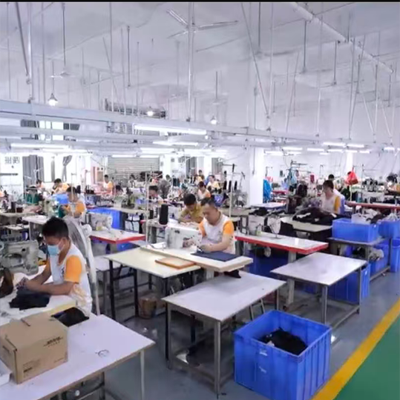
Large manufacturers are impressive for a reason. They often have:
- Mature production systems
- Strong compliance documentation
- Deep experience with global brands
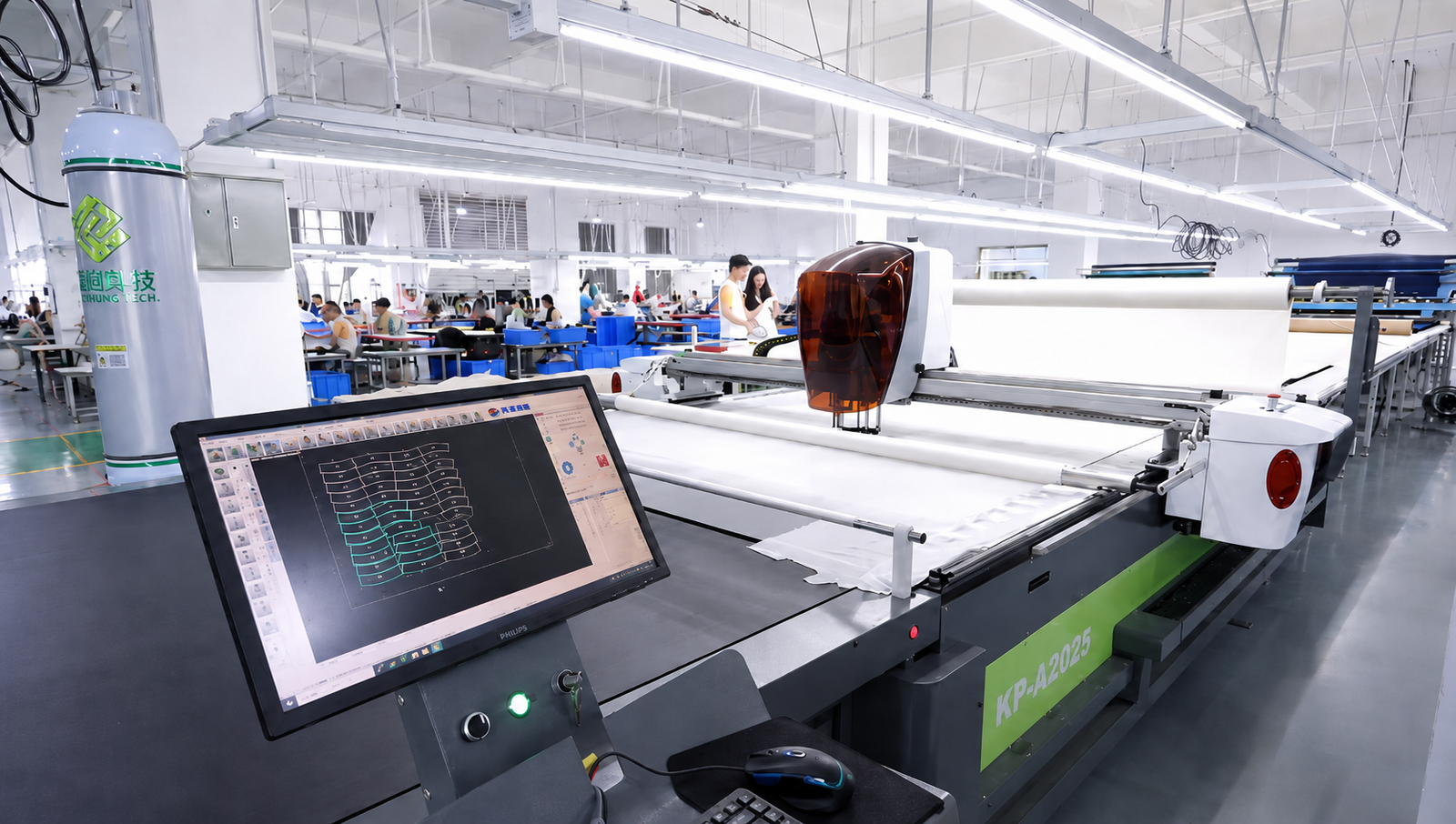
- Advanced cutting and sewing equipment
- Better planning for very large programs
But they also have business models that may not fit every buyer. Many large suppliers focus on high-volume orders.[^5] Their sampling process may be slower. Their minimum order quantities may be higher. Their teams may not spend much time helping a small or mid-size brand explore early design ideas.
From a B2B product development view, this matters a lot.
If a brand is still testing the market for athletic short shorts, it may need several rounds of adjustment. The team may want to compare a 2.5-inch inseam with a 4-inch inseam. They may want to test a crossover waistband, a V-back waistband, and a classic high-rise waistband. They may want to try nylon-spandex, polyester-spandex, ribbed fabric, or brushed fabric.
A very large factory may not want to handle that level of small-batch experimentation.[^6]
A practical comparison for buyers
| Buyer situation | Better fit | Reason |
|---|---|---|
| Global brand with confirmed volume | Large manufacturer | Capacity and compliance systems matter most |
| Startup testing short shorts | Flexible OEM/ODM supplier | Lower MOQ and faster sampling are more useful |
| Brand needs unique design direction | ODM-capable supplier | Design, pattern, and fabric advice are important |
| Buyer already has tech packs | OEM supplier | Production execution is the priority |
| Buyer needs strict market entry documents | Verified compliant factory | Certifications and test reports must be checked |
What I tell clients during early discussions
When clients ask me about market potential for short shorts, I do not start with “make it shorter” or “follow the trend.” I start with the use case.
A running short has different needs from a yoga short. A gym training short has different needs from a lifestyle biker short. A tennis-inspired short has different needs from a modest activewear piece.
A good supplier should help you ask:
- Who is the end user?
- What movement will the garment support?
- What level of coverage is expected?
- Should the product feel compressive or soft?
- Is the main selling point performance, style, or versatility?
This is where a specialized supplier can sometimes beat a larger one. The largest factory may produce huge volume, but a focused manufacturer may help you avoid design mistakes before bulk production starts.
What does the biggest sportswear manufacturer teach us about short shorts trends?
The biggest sportswear manufacturer can teach buyers one useful lesson: scale follows demand, not the other way around. Large sportswear brands grow categories only when they see repeat consumer interest. Women’s athletic short shorts have grown because they combine movement, comfort, visual style, and multi-scenario use.[^7]
Short shorts are not popular only because of fashion. They solve real performance and lifestyle needs. The best products balance stretch, coverage, breathability, body confidence, and styling. For brand owners, the opportunity is to match design choices with a clear sport, customer profile, and price position.
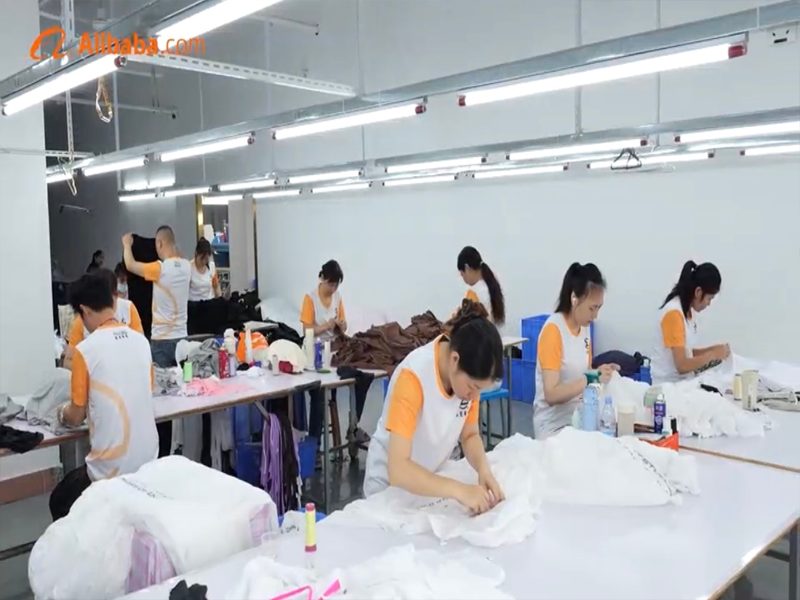
The product looks simple, but the design logic is layered
Many buyers think women’s athletic short shorts are just “small leggings.” I understand why. At first glance, they look easy to produce. But from a manufacturing and product development angle, they are more sensitive than long leggings in several ways.
Short shorts have less fabric area to distribute tension.[^8] That means every seam, opening, and waistband decision becomes more visible and more important.
Key design points include:
- Waistband height: A high-rise waistband feels secure for gym and yoga. A mid-rise waistband may feel more casual and sporty.
- Inseam length: A 2–3 inch inseam looks trendier but gives less coverage. A 4–6 inch inseam often feels more practical for training.
- Leg opening: A tight opening may roll up. A loose opening may expose too much during movement.
- Fabric weight: Light fabric improves breathability. Heavier fabric improves coverage and compression.
- Gusset shape: A good gusset can improve comfort and reduce seam stress during stretching.[^9]
Function drives trend more than many people think
In recent client conversations, I have noticed that brand owners often want short shorts that work across multiple scenes. They want one product that can fit yoga, gym training, running, lounging, and casual styling.
That sounds simple, but it creates design tension.
A yoga short needs stretch and softness. A running short needs breathability and security. A training short needs squat coverage and waistband stability. A lifestyle short needs flattering lines and color appeal.
A strong product direction usually chooses a primary use and a secondary use. For example:
| Product direction | Primary use | Design focus |
|---|---|---|
| Yoga short shorts | Studio practice | Soft hand feel, four-way stretch, no front seam option |
| Running short shorts | Outdoor running | Lightweight fabric, liner, side slit, hidden pocket |
| Gym short shorts | Strength training | Compression, squat-proof fabric, stable waistband |
| Lifestyle athletic shorts | Casual wear | Trend colors, rib texture, flattering silhouette |
| Tennis-inspired shorts | Sport fashion | Inner short, skirt layer, clean waistband |
Market positioning should come before sampling
Before developing a short shorts line, I usually suggest that clients answer these questions:
- Is the product performance-first or fashion-first?
- Will the customer wear it alone or under an oversized top?
- Does the market prefer bold colors or core neutrals?
- Is compression a selling point or a comfort risk?
- What price range does the brand need to hit?
These answers affect fabric sourcing, pattern development, sewing construction, and packaging. They also affect supplier selection.
The biggest sportswear manufacturer may show where the market is going at scale. But your product still needs a clear reason to exist. In short shorts, the winning design is usually not the most complicated one. It is the one where fabric, cut, function, and styling all support the same customer promise.
How can brands choose between the biggest sportswear manufacturer and an OEM/ODM partner?
The biggest sportswear manufacturer may be attractive, but the right OEM/ODM partner should match your stage, category, order plan, and quality expectations. A good sourcing decision is not about chasing the largest name. It is about reducing product risk and improving production consistency.
Brands should choose a supplier by checking product-category experience, sampling quality, fabric access, MOQ flexibility, communication speed, quality control process, and verifiable compliance documents. For athletic short shorts, buyers should also review fit samples, stretch recovery, opacity, seam strength, and wash performance before bulk orders.
Start with product fit, not factory size
If your brand is developing women’s athletic short shorts, the first question should not be, “How big is your factory?” It should be, “Have you produced this kind of garment well before?”
A supplier with relevant experience should understand:
- High-stretch fabric behavior
- Waistband pressure balance
- Short inseam pattern issues
- Color fastness risks[^10]
- Seam puckering on elastic fabric
- Logo placement on compact garment areas
- Size grading for different body types
In my own factory discussions with clients, I have seen small details change the entire product feel. A waistband that is 1 cm too narrow can feel cheap. A fabric that looks opaque on the table can become sheer when stretched. A leg opening that looks flattering on a model can roll during squats.
These are not minor issues. They affect customer reviews, return rates, and brand trust.
Use a simple supplier evaluation checklist
Here is a practical checklist I would use before placing a bulk order:
| Evaluation area | What to check | Why it matters |
|---|---|---|
| Product experience | Similar shorts, leggings, sports bras, training wear | Shows category familiarity |
| Sampling process | Fit sample, size set, pre-production sample | Reduces production surprises |
| Fabric options | Nylon-spandex, polyester-spandex, rib, brushed, recycled options | Supports different market positions |
| Quality control | Measurements, seam checks, stretch checks, wash checks | Protects consistency |
| MOQ | Trial order and bulk order terms | Helps planning and cash flow |
| Equipment | Auto cutting, stable sewing lines, inspection setup | Improves accuracy |
| Compliance documents | OEKO-TEX®, SGS, TüV, REACH, AZO, PFAS-related reports where relevant | Buyers should verify validity and scope |
| Communication | Clear timelines, tech-pack feedback, issue reporting | Reduces delays |
> Certifications should be treated as documents to verify, not slogans to accept.[^11] Buyers should check certificate number, issuing body, product scope, validity date, and whether the document applies to fabric, factory, or finished garments.
When a flexible OEM/ODM partner makes more sense
A flexible OEM/ODM partner is often a better fit when your brand needs:
- Small-batch testing before scaling
- Design input based on market direction
- Fabric matching for target price points
- Custom logo, labels, colors, and packaging
- Fast sample changes
- Support for multiple product categories
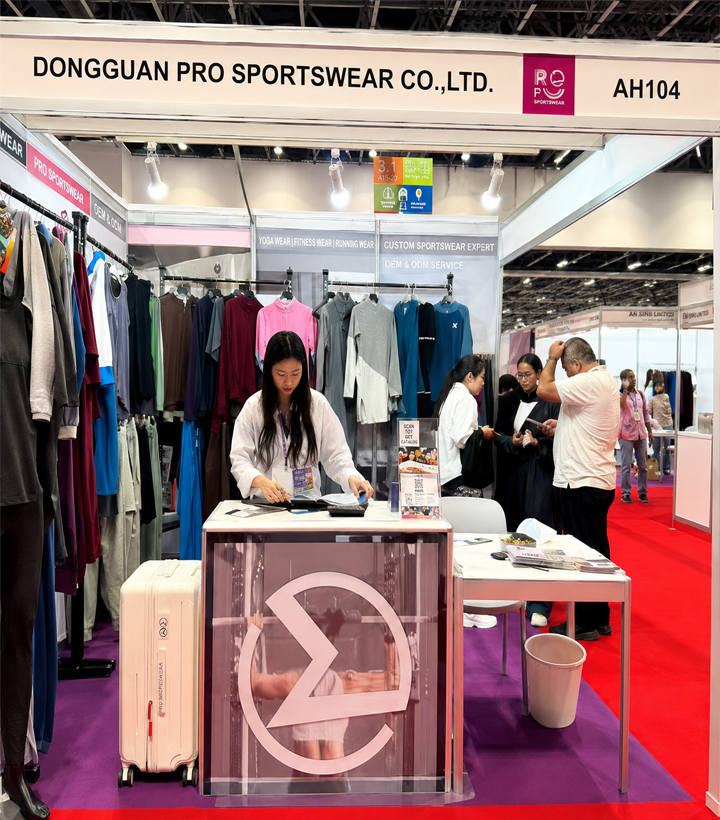
For example, at Dongguan Pro Sportswear, my role is not just to “make clothes.” I often help clients think through whether a short shorts design should sit in yoga, gym, running, or lifestyle positioning. That discussion changes the construction.
A yoga-focused short may use a buttery soft hand feel and a clean waistband. A gym short may need firmer compression and stronger opacity. A running short may need a liner, small pocket, and quick-dry fabric. A casual fashion short may need a ribbed surface or color story that works with matching sports bras and jackets.
The point is simple: supplier selection should follow product strategy.
Large manufacturers are excellent for certain programs. Specialized OEM/ODM factories are better for others. The strongest decision comes from matching your business stage with the supplier’s real strengths.
What quality checks matter most for athletic short shorts production?
Quality problems in athletic short shorts can appear quickly because the garment is tight, stretchy, and movement-focused. If the fabric, pattern, or sewing is wrong, customers feel it immediately. This is why quality control should begin before bulk production, not after cartons are packed.
The most important quality checks for athletic short shorts include fabric stretch and recovery, opacity under tension, waistband stability, seam strength, size accuracy, color fastness, wash durability, and fit testing across movement positions. Buyers should approve samples and define tolerances before production starts.
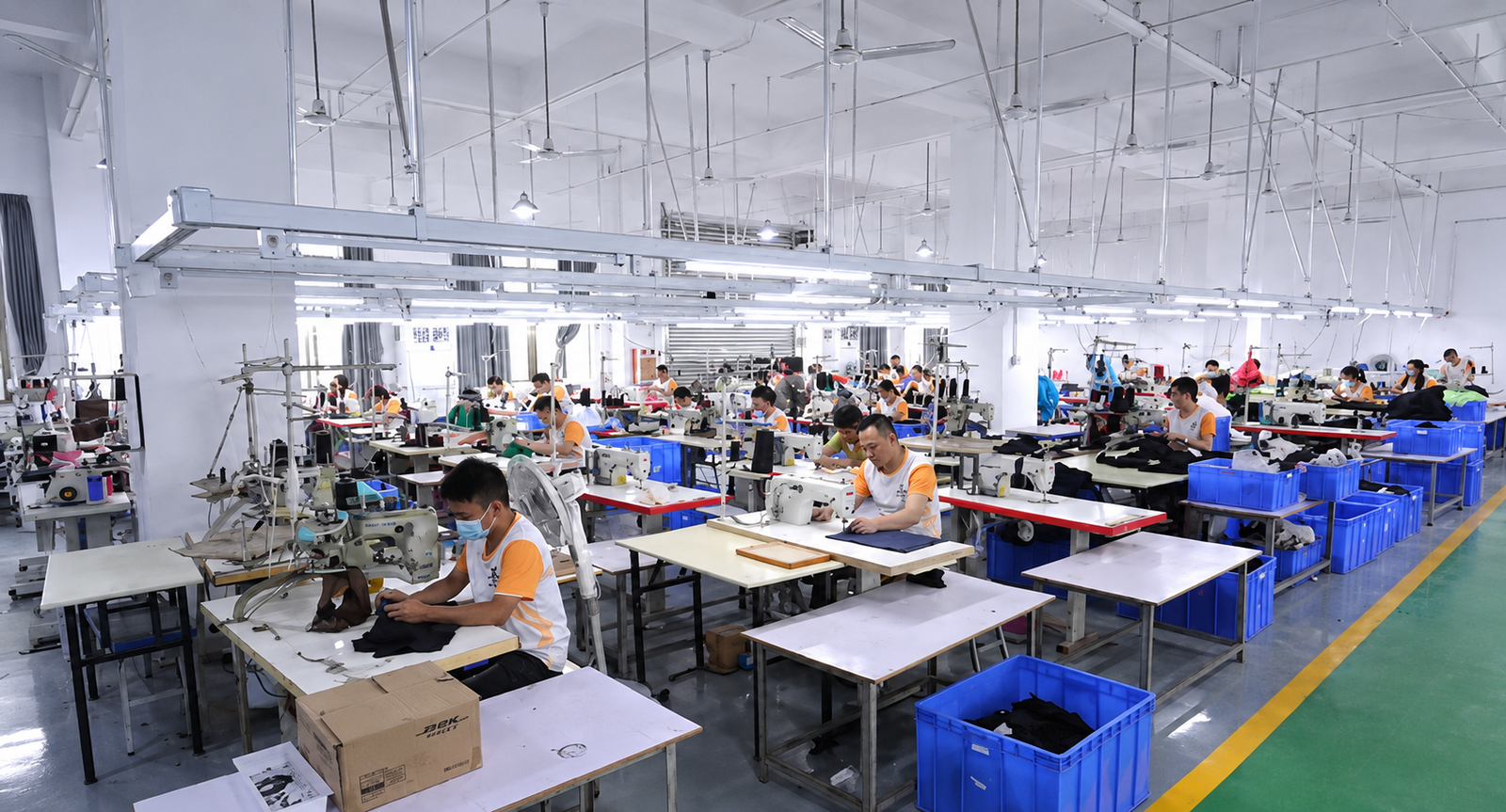
Why short shorts need careful QC
Short shorts put pressure on a small area of the body. That makes them less forgiving than loose tops or outerwear. A small pattern mistake can create pulling. A small fabric mistake can create transparency. A small sewing mistake can cause discomfort.
For B2B buyers, the best approach is to build quality checkpoints into the whole order process.
A typical development flow may include:
- Design confirmation
- Fabric selection
- First fit sample
- Revised sample
- Size set sample
- Pre-production sample
- Bulk production inspection
- Final random inspection[^12]
- Packing and shipment review
Each step reduces risk.
Practical testing points
Here are the checks I recommend brands discuss with suppliers:
| Check | What to review | Common risk |
|---|---|---|
| Stretch recovery | Fabric returns after stretching | Bagging, loose fit, poor shape retention |
| Opacity | Fabric under squat or pull | See-through complaints |
| Waistband stability | Rolling, slipping, pressure | Poor workout comfort |
| Inseam accuracy | Length tolerance across sizes | Inconsistent coverage |
| Seam strength | Stress points and stitch elasticity | Seam breakage |
| Wash test | Shrinkage, color loss, twisting | Poor long-term wear |
| Hand feel | Skin contact comfort | Product feels cheap or harsh |
| Logo durability | Heat transfer, print, embroidery | Peeling or cracking |
Fit testing should include movement
A standing fit photo is not enough. Athletic short shorts should be checked during movement.
Useful positions include:
- Squat
- Lunge
- Forward fold
- Side stretch
- Jogging motion
- Sitting position
These positions reveal problems that flat measurements cannot show. For example, a short may look good when standing but roll at the hem during lunges. Another short may pass the squat test but feel too tight at the waistband when sitting.
This is where experienced pattern making and sample feedback matter. The garment must match both body shape and movement.
Quality control connects back to supplier choice
The biggest sportswear manufacturer may have very mature QC systems, but buyers still need to ask detailed questions. A smaller OEM/ODM supplier may also have strong controls if it uses clear SOPs, trained inspection staff, and proper testing routines.
At our factory, we use processes such as fit checking, measurement review, stretch function review, wash resistance review, seam inspection, and final appearance inspection. For any application-specific performance requirement, buyers should request professional testing or third-party evaluation where needed.
That approach keeps the conversation practical. It also protects both sides before production scales.
Frequently Asked Questions
Who is the biggest sportswear manufacturer in the world?
If you mean the largest sportswear brand by revenue, Nike is generally considered the biggest. If you mean actual production manufacturers, the answer depends on the category and metric. Large OEM/ODM suppliers such as Shenzhou International, Eclat Textile, and Makalot are often considered major players.
Does Nike manufacture its own sportswear?
Nike designs, markets, and sells sportswear, but much of its production is handled by contract manufacturers. This model is common in the sportswear industry. Buyers should separate brand ownership from factory production when researching suppliers.
Should a startup work with the biggest sportswear manufacturer?
A startup usually does not need the biggest sportswear manufacturer first. It often needs a flexible OEM/ODM supplier that can support smaller MOQs, sampling, design adjustments, and product testing. Large factories may be better after demand and order volume become stable.
What makes a good manufacturer for women’s athletic short shorts?
A good manufacturer should understand stretch fabrics, ergonomic pattern cutting, waistband construction, opacity control, seam durability, and fit testing. The supplier should also provide clear samples, reasonable tolerances, quality inspection steps, and verifiable compliance documents.
Why are athletic short shorts popular with sportswear brands?
Athletic short shorts are popular because they fit multiple market needs. They support movement, look modern, pair well with sports bras and oversized tops, and work across yoga, gym, running, and casual wear. Strong product positioning is still needed to avoid generic designs.
Conclusion
The biggest sportswear manufacturer depends on whether you mean a global brand, a contract factory, or a specialized OEM/ODM supplier. For brand owners, the smarter question is which partner fits your product strategy, order stage, and quality expectations. Women’s athletic short shorts show this clearly because simple-looking products need careful fabric, pattern, and QC decisions. If you are developing a custom sportswear line, contact Dongguan Pro Sportswear to discuss OEM/ODM sampling, fabric options, and bulk production planning.
[^1]: "Nike, Inc. - Wikipedia", https://en.wikipedia.org/wiki/Nike,_Inc.. A comparative revenue source for sporting-goods companies lists Nike ahead of other major sportswear brands by annual revenue, supporting its common identification as the largest sportswear company by this metric. Evidence role: statistic; source type: encyclopedia. Supports: Nike ranks at or near the top of global sporting-goods or sportswear companies by revenue.. Scope note: The support is metric-dependent because rankings may define the category as sporting goods, athletic footwear and apparel, or sportswear. [^2]: "NIKE, Inc. 2019 Form 10-K", https://www.sec.gov/Archives/edgar/data/320187/000032018719000051/nke-531201910k.htm. Nike’s annual reporting states that its products are manufactured primarily by independent contractors, supporting the distinction between Nike as a brand owner and its contracted production base. Evidence role: general_support; source type: institution. Supports: Nike’s products are substantially manufactured by independent contractors rather than wholly owned factories.. [^3]: "Shenzhou International", https://www.shenzhouintl.com/. Company annual reports and public filings identify Shenzhou International, Eclat Textile, and Makalot as large apparel manufacturers serving international brand customers, providing contextual support for their inclusion among major OEM/ODM supplier examples. Evidence role: case_reference; source type: institution. Supports: The named companies operate at significant scale in apparel manufacturing and supply global apparel or sportswear markets.. Scope note: Official company sources can verify scale and business activities, but they do not independently prove how frequently buyers discuss these firms in evaluations. [^4]: "Responsible garment and footwear supply chains - OECD", https://www.oecd.org/en/topics/sub-issues/due-diligence-guidance-for-responsible-business-conduct/responsible-garment-and-footwear-supply-chains.html. International supply-chain guidance describes apparel and footwear production as organized through multi-country supplier networks, supporting the statement that major brands often rely on approved manufacturing partners rather than owned factories. Evidence role: general_support; source type: institution. Supports: Global apparel and sportswear production is commonly organized through networks of supplier factories, many located in Asia.. Scope note: Such sources support the general industry model, not the supplier structure of every individual brand. [^5]: "CHAPTER II Literature Review", https://vtechworks.lib.vt.edu/bitstreams/8e5b8a03-80f5-41dc-9d08-22d5a79c91d7/download. Research on apparel production economics links larger production runs with scale efficiencies and lower per-unit setup costs, providing contextual support for the tendency of large suppliers to prioritize higher-volume programs. Evidence role: general_support; source type: research. Supports: Economies of scale and production-line efficiency can make large apparel factories better suited to larger order volumes.. Scope note: The evidence supports the economic mechanism but does not establish a universal rule for all large suppliers. [^6]: "The Rise of Small Batch Clothing Manufacturing in Los ...", https://tegmade.com/resources/the-rise-of-small-batch-clothing-manufacturing-in-los-angeles/. Studies of apparel supply chains and production flexibility explain that small-lot manufacturing and frequent style changes increase coordination and setup demands, supporting the article’s claim that very large factories may be less suited to repeated small-batch experimentation. Evidence role: mechanism; source type: paper. Supports: Small-batch development requires flexibility and setup changes that may conflict with high-volume production efficiency.. Scope note: This is contextual support; individual large factories may operate dedicated sampling or small-order units. [^7]: "Athleisure Market Size, Share And Trends Report, 2026-2033", https://www.grandviewresearch.com/industry-analysis/athleisure-market. Market research on athleisure and women’s activewear identifies comfort, performance functionality, style, and everyday versatility as demand drivers, providing contextual support for the growth rationale given for women’s athletic short shorts. Evidence role: general_support; source type: research. Supports: Consumer interest in activewear is linked to comfort, functionality, style, and use across exercise and casual settings.. Scope note: The evidence may address activewear or athleisure broadly rather than short shorts specifically. [^8]: "Analysis of clothing pressure based on material of virtually-fitted ... - PMC", https://pmc.ncbi.nlm.nih.gov/articles/PMC12588493/. Apparel fit and clothing-pressure research shows that fabric stretch, garment dimensions, and body movement affect localized tension and pressure, supporting the technical rationale that compact stretch garments can be especially sensitive to construction choices. Evidence role: mechanism; source type: paper. Supports: Garment fit, body movement, fabric stretch, and clothing pressure are related to how tension is distributed across a garment.. Scope note: The support explains the mechanism generally and may not test women’s athletic short shorts as a separate garment category. [^9]: "[PDF] A Review of Contemporary Techniques for Measuring ...", https://digitalcommons.uri.edu/cgi/viewcontent.cgi?article=1080&context=tmd_facpubs. Research on ergonomic clothing design and garment fit indicates that pattern features placed at high-movement areas can improve mobility and reduce localized strain, providing technical support for the use of gussets in stretch activewear. Evidence role: mechanism; source type: paper. Supports: Gusset and ergonomic pattern features can affect comfort, mobility, and stress concentration in garments.. Scope note: The source may support gusset principles in ergonomic clothing generally rather than measuring this exact short-shorts construction. [^10]: "ISO 105-C03:1989 - Textiles — Tests for colour fastness", https://www.iso.org/standard/3805.html. International textile standards such as the ISO 105 series define methods for assessing colour fastness to conditions including washing, rubbing, perspiration, and light, supporting its inclusion as a quality-control risk in apparel production. Evidence role: definition; source type: institution. Supports: Color fastness is a recognized textile quality property assessed through standardized tests.. Scope note: The standards establish testing relevance but do not quantify the frequency of colorfastness failures in athletic shorts. [^11]: "OEKO-TEX® Label Check", https://www.oeko-tex.com/en/label-check/. Certification and conformity-assessment bodies provide certificate-checking tools and guidance that tie validity to certificate numbers, scope, issuing bodies, and expiration dates, supporting the article’s caution that certification claims require document verification. Evidence role: expert_consensus; source type: institution. Supports: Certification claims should be checked against certificate numbers, validity, scope, and issuing body records.. [^12]: "ISO 2859-1:2026(en), Sampling procedures for inspection ...", https://www.iso.org/obp/ui/#iso:std:iso:2859:-1:en. Sampling-inspection standards such as ISO 2859-1 define procedures for inspection by attributes using statistically selected samples, supporting final random inspection as a recognized quality-control method. Evidence role: definition; source type: institution. Supports: Random sampling inspection is a formal quality-control approach used to assess lots before acceptance or shipment.. Scope note: The standard supports the inspection method generally and does not prescribe the full apparel development workflow.